Author Archive
Posted on: May 25th, 2025 by St. Stephens Downsview
Introduction
 Good morning to all. I'm grateful to have this opportunity to reflect with you today on the theme of identity within our sacred communities, especially as we gather on the sixth Sunday of Easter.
Rediscovering Our True Identity
In the Book of Acts, we find an inspiring story about Lydia, a worshiper of God, whose heart was opened by the Lord to listen eagerly to the Apostle Paul. This account not only highlights Lydia's receptiveness to God's word but also invites us to reconsider our own identities and how we interact with the wider world.
Often, societal influences condition us to define ourselves by superficial labels – our ethnicity, language, or nationality. Yet, as followers of Christ, our true identity is deeply rooted in our faith.
The Role of Labels in Our Lives
Many people identify themselves based on various classifications rather than acknowledging their foremost identity as children of God. The world constantly trains us to distinguish ourselves from others, often at the cost of unity and understanding.
Learning from Paul and Lydia
The narrative of Paul and Lydia encourages us to open our hearts to God's calling, demonstrating obedience and an eagerness to spread the message of Christ across cultural and societal boundaries. This witness challenges us to transcend our ingrained divisions and embrace the unity taught by Christ.
The Importance of Community Gathering
As we gather in worship, prayer, and communal activities, we are called to embody and practice repentance, confession, and forgiveness. Our community meetings are essential for nurturing the virtues of humility and service, reflecting the profound truth that God continues to work through us in ways unexpected and transformative.
The Power of Unity
It is through our corporate gatherings that we are trained in habits of compassion and understanding, essential for overcoming the division that threatens to fragment our society. The pandemic starkly reminded us of our intrinsic need for connection, reinforcing the reality that we cannot fully embody our calling when isolated.
Conclusion: A Call to Faith and Action
This season of Easter embodies renewal and hope—an invitation from God to rediscover our role as His people. May we strive for the peace that comes from aligning our wills with God's, not fearing the path He sets before us. It is not just about us, but about responding faithfully to the Spirit's work in our lives, saying, "Not my will, but Yours be done."
A Closing Prayer
Let us pray together: Gracious God, through visions, you sent Paul to preach the gospel and called women to the place of prayer. Grant that we, like Paul and Lydia, may be responsive to your word and open to where you lead us. Amen.
Posted on: May 18th, 2025 by St. Stephens Downsview
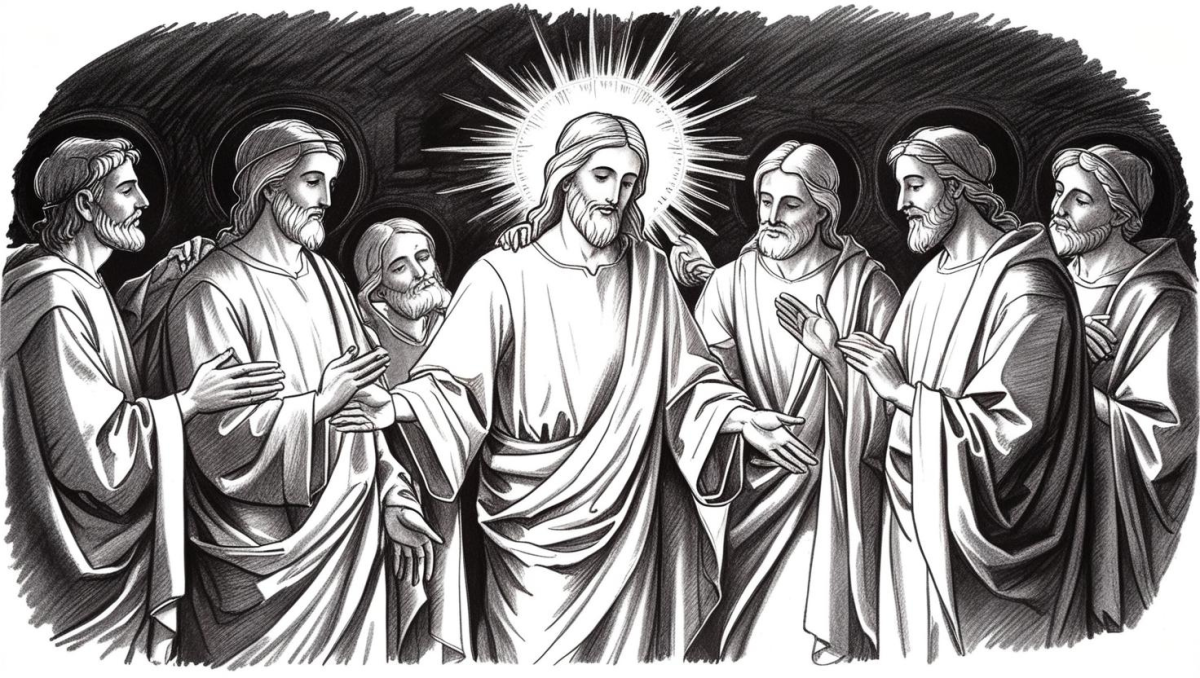 Good morning, dear readers. I am excited to connect with all of you once again as we gather to reflect upon a powerful message from John's Gospel, chapter 13, verses 34 to 35. These verses remind us of a new commandment from Jesus, urging us to love one another just as He has loved us. In doing so, the world will know we are His disciples.
The Context of Love
In our Gospel reading today, we find ourselves in the intimate setting of the upper room, where Jesus shares His final meal with His disciples before His betrayal. It is a somber time, filled with anticipation and uncertainty about the future. In the midst of this gathering, Jesus performs the humble act of washing His disciples' feet. This gesture serves as a profound example of the selfless love He calls us to embody.
Navigating Life's Transitions
We've all faced moments of transition in life—times when we move from the familiar to the unknown. Whether it's the birth of a child, the loss of a loved one, marriage, or changes in our careers, these periods can be challenging. Yet, in these moments, we seek things that anchor us—our identity, values, and beliefs. Jesus provides us with this anchor through His commandment to love one another, offering us stability amidst life's uncertainties.
The Love of Jesus
The love Jesus speaks of is no ordinary love. It's not merely affection, but a profound, selfless act of serving others with empathy and humility. His love is unconditional and seeks the ultimate good for all of us. It's a transformative love, encouraging repentance and faith. This divine love, rooted in self-giving, distinguishes followers of Christ.
Challenges in Loving Like Christ
Despite the simplicity of this commandment, history shows us how difficult it is to truly love others as Christ loves us. We often become self-focused, distracted by our own lives, and lose sight of the needs of those around us. Our challenge is to look beyond our cultural, social, and economic lenses and embrace others with Christ-like love.
The Importance of Community
In the early days of Christianity, the apostles' love for one another was a beacon of light in the darkness. Their selfless acts drew others to them naturally, without the need for grand gestures. By living in genuine love and service, we too can attract others to the faith by our example.
Our Call to Love
As I reflect on Jesus' impending departure, I see the urgency in His message to His disciples—a message that is equally relevant to us today. We are called to embody the love of Jesus, caring for one another not out of obligation but because it is the essence of God's love. This kind of love is transformative for both us and the world around us.
Conclusion: A Call to Action
Friends, I encourage you to look at those in your life as gifts from God. Cherish these relationships and strive to love and serve each person, upholding their highest good. Remember, even our enemies are gifts, just as Jesus shared the table with Judas. May we pray for the wisdom, will, and strength to follow Jesus' example, glorifying our Savior through our selfless love.
Closing Prayer
Let us pray together: Almighty God, our Heavenly Father, whose son taught us that every service done for others' sake is done for Him. Give us the wisdom, the will, and the strength to be living examples of this truth that in serving one another, we may glorify Him who is our Savior and our Lord. Amen.
Posted on: May 11th, 2025 by St. Stephens Downsview
Hello everyone,
 It was a special time together this past Sunday, especially as we commemorated Mother’s Day. A very happy Mother’s Day indeed to all mothers and those who have served as mother figures in the lives of others. You are most welcome.
During our gathering, I shared a piece of advice that I’ve found incredibly helpful, particularly when engaging with those who are new to the faith or who may not yet have faith. I can’t quite recall if I read it somewhere or if a friend told me, but the advice is this: If you ever have the opportunity to share the gospel with an unbeliever or someone new to the faith, the best place to begin is with the Gospel of John.
The main reason for this recommendation is that unlike the Gospels of Matthew, Mark, or Luke, which often provide a general survey or overview of Jesus’ life, the Gospel of John is written with a very specific teaching purpose. Its goal is to help readers become rooted and grounded in their faith and to be able to grow in that faith. John doesn’t offer a strict, chronological synopsis of Jesus’ life from beginning to end. Instead, he is very clear about his objective, stating it explicitly at the end of his account:
John writes, “Now Jesus did many other signs in the presence of his disciples, which are not written in this book.” He then adds, “But these are written so that you may come to believe, or may continue to believe, that Jesus is the Messiah, the Son of God, and that through believing, you will have life in his name.”
So, John wrote his gospel with the specific intention that the eyes of the unbeliever would be opened. And, having been opened, that they might then place their faith and trust in Jesus and continue to believe in him, so they could receive the fullness and abundance of the life that he freely gives.
In setting out his gospel, John selects what I refer to as seven signs. He calls them signs, and he chooses these specific seven with the intent of pointing his readers to the truth of Jesus’ identity as the Messiah. These signs help us understand who he is as we read through the account.
By the point we were reading in the Gospel of John, John has already described six of these seven signs. He has held up for us:
- The wedding feast in Cana of Galilee, where Jesus turned water into wine – the best wine they had ever had.
- Jesus’ healing of the royal official’s son from a distance, with the simple assurance of his word, “Go, your son will live”.
- The healing of the paralytic at the pool of Bethesda, who had been lying there for 38 long years. Jesus simply asked him if he wanted to be made well.
- The miraculous feeding of five thousand people with just five barley loaves and two fish. This reminded the people of God providing for the multitude in the wilderness with manna.
- Jesus walking on the water, coming to his disciples in the boat in the middle of the storm – the one whose voice the winds and waves still obey.
- In chapter nine, the account of Jesus opening the eyes of a man who was born blind. Jesus told him to go wash in the pool of Siloam, and when he washed and came back, he could see.
Jesus performed these deeds, signs, and many other wonders. They were for those who had eyes to see and ears to hear. These actions echoed the activity of God in Israel’s history and among them. They pointed, like signposts, to the fact that this Jesus was none other than the Messiah. We understand what a signpost is, right? If you’re going down the road, trying to reach a particular destination, especially somewhere unfamiliar, the signpost directs you. These miracles, these signs, point right to Jesus, saying, “If you want to find the Messiah, this is the way.”
And so Jesus’ whole life and the works he did in his father’s name were like visible words. They were like actions which spoke, and which spoke loudly, proclaiming clearly to all who would see and all who would hear that he was, in fact, the Messiah.
But in the passage we were looking at, the Jewish leaders surrounded Jesus in the temple. They were among those who refused to see or hear the testimony provided through Jesus’ own words and his actions. They wanted Jesus to speak plainly, to say outright, that he was the Son of God. However, their intention was not that they might believe, but that they might find grounds to condemn him and therefore put him to death.
They said to Jesus, “How long will you keep us in suspense? If you are the Messiah, tell us plainly.” Jesus’ response is insightful. He says, “I have told you, and you do not believe. The works that I do in my father’s name testify to me.” He then adds, “But you do not believe because you do not belong to my sheep.” He continues, “My sheep hear my voice; I know them, and they follow me.”
Friends, Jesus explained that his sheep hear his voice. That is, they hear God’s voice speaking to them through the words and actions of Jesus’ life. Jesus’ words and his actions – turning water into wine, healing the sick, feeding the five thousand, walking on water – these works spoke with a voice of their own, proclaiming and testifying to his identity as the Messiah. But because the religious leaders refused to humble themselves and come to him (unlike Nicodemus, who came under the cover of darkness, but still came), they could not hear the testimony. They couldn’t hear the voice speaking through his actions.
And friends, let me tell you, this still happens today. There are some who will pick up the scriptures and they’ll ask, “Okay, tell me where it says, ‘Here, Jesus said, I am God.'” Now, in a few places, you might be hard-pressed to find that exact phrasing. But my response has always been, “Tell me where it *doesn’t* say that Jesus is God!” Anyone who acts and speaks in the way that Jesus did, is *not* God? Then you have to give me a better explanation for how I might understand him. As C.S. Lewis argued, if he isn’t who he claimed, you’re left with other explanations like he was a lunatic or a liar.
But the reality is, as I sometimes see, there are none so blind as those who refuse to see. And by refusing to see, they are therefore easy to condemn because they are already hardened. And they do have a very sad place to be in this world when we put up these walls because we refuse to hear or see.
Jesus’ sheep hear his voice. That is, they hear God’s voice speaking to them through the words and indeed, the actions of Jesus’ life. And Jesus says, “I know them, and they follow me. I give them eternal life, and they will never perish; because no one will snatch them out of my hand.” What a wonderful promise to give us!
So, the first issue is seeing. This gospel story suggests to me that there are so many in this world for whom hearing God’s voice is made difficult because they refuse to see. That is, they have prematurely or indeed prejudicially rejected Jesus as God. And so they cannot hear the testimony that comes through the actions of his life. These actions will always mean something else to them; they will never point to the Messiah.
Now on another level, God’s work or his signs are not just gone cold and it didn’t happen back then right before our eyes. No, God, as he has made known to us in Jesus Christ, is as always and will always be at work in his creation, at work among his human creatures, proclaiming the truth of his presence in visible words that they can see and hear. As Romans says, his glory, who he is, has been made known so that we are all without excuse when it comes to the reality of God’s presence among us.
Within the Anglican tradition, we are situated in a space where those visible words are perhaps more readily perceived in our sacramental actions and things like Baptism, Confirmation, Holy Matrimony, and sharing the Communion in the solemnization of Holy Past the moment. But we see and hear them also from God’s activity in the prayers for the sick, the ministry of healing, and for those who are dying. God is at work. Visible words, like Jesus in his whole life, are proclaimed in those sacramental moments.
And so before we give way to the temptation to criticize the religious leaders of Jesus’ day in a negative way, I believe we always ought to ask ourselves first whether we have responded or are responding appropriately.
Are you hearing his voice speaking to you through the visible words of God’s activity among us? Are you following him as he leads? This means embracing the means God has provided for us to nourish us, to sustain us along this journey of faith. You know, sometimes we separate ourselves from these means, these visible words, and then we say, “Well, we don’t see them.”
So maybe we don’t gather for sacramental worship. Maybe we don’t pick up the scriptures to read. Maybe we don’t place ourselves where we can hear the word proclaimed. You can’t shut your eyes and then say, “Oh, I don’t see anything. There’s nothing else there.” It is easy to sit back and demand some clear sign and back and forth before we might decide to come and follow him and truly believe. But I think denying those kinds of signs is perhaps another way of mirroring their hardness of heart. And what God is not going to do and what God will do for us is what we will allow him to do for us.
Jesus grounds his grace in our paying attention to the visible words of God’s actions. So will you then come and continue in the promise of the Son of the Living God?
Posted on: May 4th, 2025 by St. Stephens Downsview
Introduction
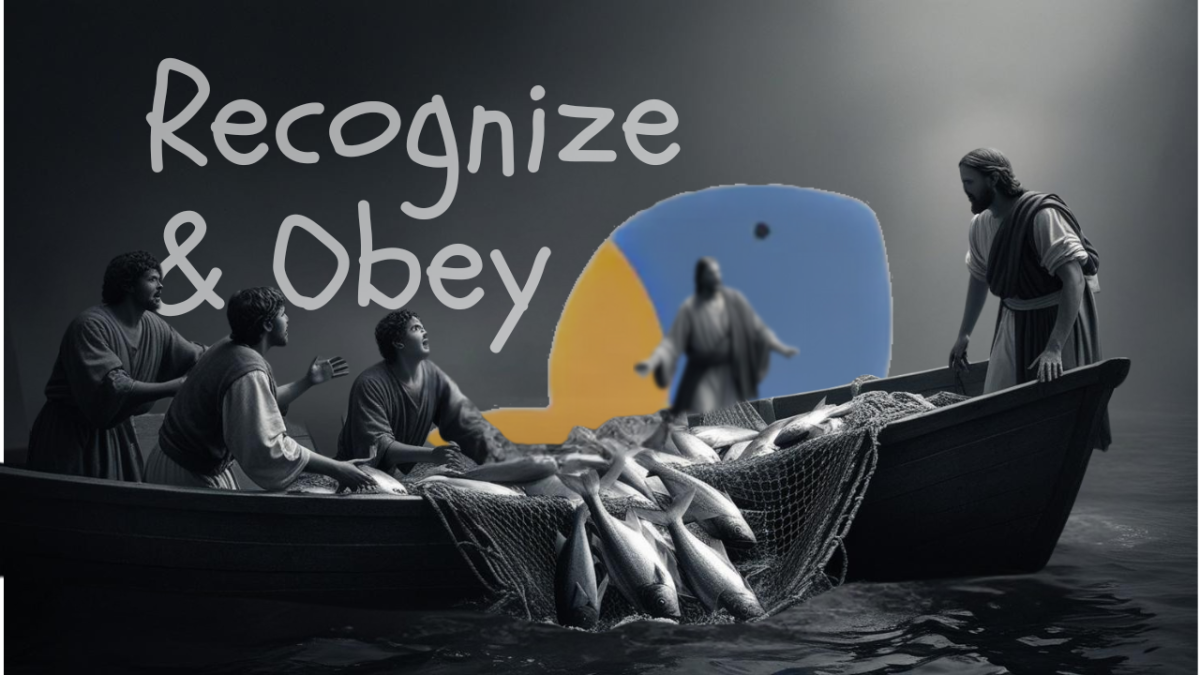 In today's reflection, I would like to explore some profound insights from John's Gospel, specifically chapter 21, verse 12. This passage offers a narrative where Jesus invites His disciples to "come and have breakfast." The disciples did not question His identity, as they already knew it was the Lord. This simple gesture of sharing breakfast holds deeper meanings about obedience, recognition, and the transformative power of faith.
Reflecting on Cast the Net Initiative
Since late 2022, the Diocese of Toronto has been engaging with this passage through an initiative called "Cast the Net." This listening and visioning process has led to the formation of 20 aspirational and challenging calls, aiming to discern where God is leading us. Each congregation is encouraged to focus on two or three of these calls, specific to their community context.
Obedience and the Risen Lord
This initiative underscores our obedience to the risen Lord. It's about moving beyond our preconceived notions of how God should work. God's call often involves doing an old thing but in a new way, much like He instructed the disciples to cast their nets to the other side of the boat. The Risen Christ, whom we celebrate during Easter, is proclaimed as Lord of all creation. He continues to cross our implicit boundaries and challenges us to see His hand at work in unexpected ways.
Obedience Precedes Recognition
One of the central themes throughout scripture is the connection between obedience and recognition. The disciples' inability to initially recognize Jesus on the shore until they obeyed His command illustrates this pattern. Likewise, the story of Ananias in the Acts of the Apostles demonstrates how obedience can lead to new spiritual insight and sight.
Love and Obedience in Action
Jesus' interaction with Peter emphasizes that love for God cannot be separated from participation in His ongoing work. True love manifests in habitual obedience, even in unfavorable circumstances. Easter teaches us about recognizing God at work in our midst—not through physical sight but through spiritual understanding that comes from following Christ.
Conclusion
The written word of God becomes authoritative in our lives to the extent that the risen Word has claimed us. As we delve deeper into understanding our relationship with God, I invite you to reflect on how obedience and recognition play out in your own spiritual journey. Together, let us embrace the opportunities to see God at work, trusting and obeying His call with renewed vision and purpose. Amen.
Posted on: April 28th, 2025 by St. Stephens Downsview
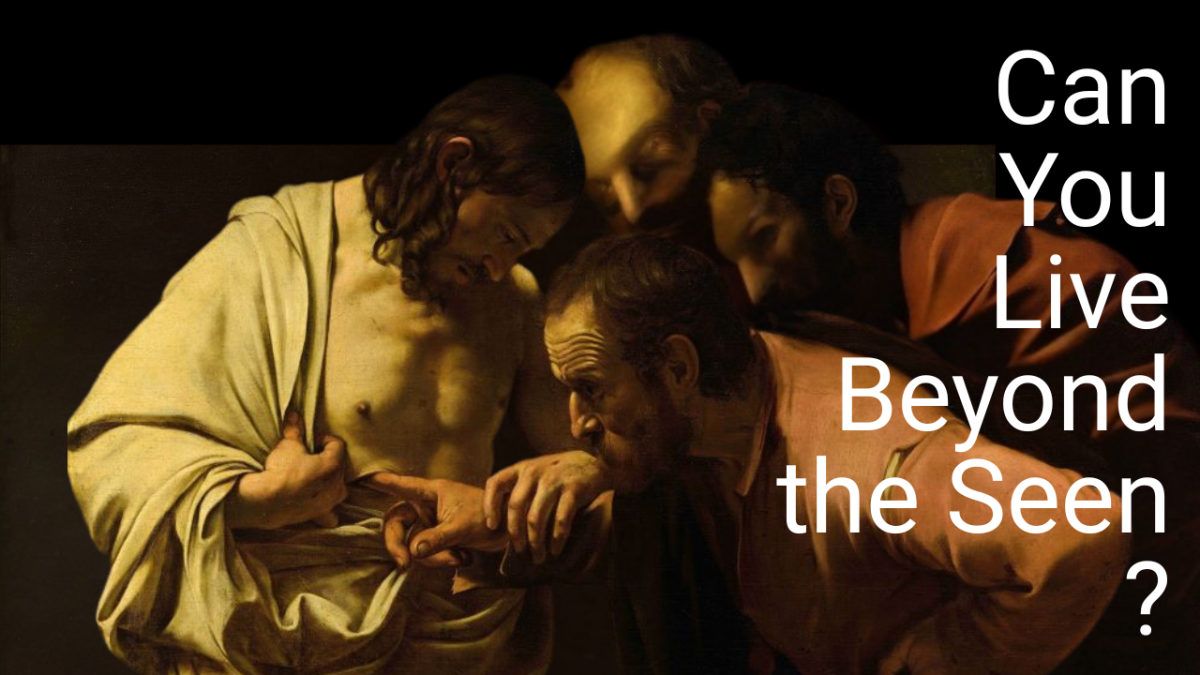 I want to share with you some profound insights from John’s Gospel, chapter 20, verse 29. Jesus said to Thomas, “Have you believed because you have seen me? Blessed are those who have not seen and yet have come to believe.” This passage opens a window into the spiritual journey from doubt to faith. Today, I invite you to explore this journey with me—a journey that challenges believers to live beyond what is immediately visible.
The Journey of Faith Begins
I want to begin by recounting the story of a young man whose journey in faith was ignited through a tearful conversation with a trusted Christian friend. His Christian journey, unbeknownst to him, had commenced long before this catalytic moment. Early that very day, he was moved by what he perceived to be God’s personal call: “Come and truly follow me.” That night, he found himself responding to this call on his knees. This transition from doubt to faith is one he would come to experience continuously, learning not to question whether Jesus is, indeed, Lord and God.
Thomas and His Moment of Revelation
In our Gospel reading, Thomas’s journey from doubt to faith took place over a week. Yet, like all believers, his faith was meant to grow ever more steadfast. On the evening when Christ first appeared to his disciples, Thomas was absent, doubting until he could see the evidence of Jesus’s wounds. Despite the brutality of Jesus’s death, what Thomas needed was that tangible proof, and Jesus, in His grace, provided it. Jesus met Thomas’s doubt, not out of obligation but out of mercy, to elicit faith from him.
This transformative encounter changed Thomas’s perspective forever. When Jesus appeared, not bound by locked doors, standing before him in His resurrected body, Thomas’s doubt melted into unequivocal belief, prompting his exclamation: “My Lord and my God.”
Reflecting on Our Own Journey
This journey from doubt to faith is one that speaks to many of us today. Standing with Thomas, waiting to be moved from doubt to faith, is a common position. Until we make that journey ourselves, we truly have not begun to live the resurrected life. The assurance that belief must transition from the mind to the heart is central to experiencing the life God offers abundantly.
Jesus’s words, “Blessed are those who have not seen and yet have come to believe,” carry a promise of blessing. True belief is dynamic, it involves movement and action. It’s not merely what we think but what we do with our faith that defines us.
Faith in Action
Our faith must not exist merely as a mental exercise or private belief. It is the root from which our actions stem. As James aptly puts it in his letter, faith without works is dead. True faith is demonstrated in how we live our lives daily.
This active faith points not to our capabilities, but to our confidence in God and His promises. When we recite the Apostles’ Creed, for instance, we are not merely professing words but affirming the God revealed as Father, Son, and Holy Spirit. Our confidence lies entirely in God, not ourselves.
The Call to True Belief
I urge you to contemplate whether you have embraced belief in Jesus, not just intellectually but with true conviction. The journey from doubt to faith is personal, one that requires engaging with others, absorbing wisdom, and embracing the community of believers.
Thomas teaches us to be open to the testimony of others and to receive Jesus as Lord. Through this, we receive new life and continue our journey of growing in faith and obedience.
Conclusion
Returning to the story of the young man, his faith journey marked a new chapter when the Risen Lord became real to him. It was a profound awakening to Jesus’s presence that had been with him all along. Is today the day for you to commence this journey? Or perhaps God is guiding you to share this profound journey with someone else in need.
Let us pray for guidance and strength, as we travel from doubt to faith in the light and love of the Risen Christ. Amen.
Posted on: April 20th, 2025 by St. Stephens Downsview
 Welcome, everyone. It’s so good to see all of you as we gather on this Easter Sunday to commemorate the resurrection of our Lord. I want to share some reflections from Luke’s gospel. As you’ve heard in Luke chapter 24, verses 9 to 11, we see the account of the women discovering the empty tomb and the apostles’ initial disbelief. These stories are rich with lessons for our lives today.
The Realness of the Gospel
Over the years, I’ve come to appreciate the authenticity with which the resurrection accounts are told. If you pay close attention to the text, you’ll notice there are no attempts to smooth out the rough edges. The realness is evident in the disciples’ misunderstandings and in their initial disbelief. As we reflect on these accounts, we see that they aren’t just carefully crafted tales but genuine parts of our history.
The Women at the Tomb
In today’s scripture, Luke tells us about the women who went to the tomb with spices, intending to prepare Jesus’ body. Despite hearing Jesus predict his resurrection, they expected to find his body there. Their confusion when confronted with the empty tomb is a testament to the unexpected nature of the resurrection event.
The First Proclaimers of Resurrection
An interesting aspect of this narrative is the role of the women as the first bearers of the resurrection news. In a patriarchal society, their testimonies weren’t given the same weight as those of men. Yet, Luke highlights these women: Mary Magdalene, Joanna, and Mary, the mother of James. Their experience challenges our own biases and invites us to see the extraordinary roles that seemingly ordinary people play.
Questions of Belief
The apostles were slow to believe the women’s account, which the text describes as seeming to them an “idle tale.” It prompts us to question: Are we, too, sometimes unwilling to believe truths that challenge us? Do we require the resurrection to meet our own burdens of proof before we accept its implications?
Implications of the Resurrection
What we believe about the resurrection matter. It’s not simply a message to be proclaimed but an event that changed human history. It challenges us to consider Jesus not just as a historical figure but as the living Christ who continues to impact the world today.
Conclusion
In our reflections this Easter, let us embrace the complexity and authenticity of the resurrection story. May it stir within us a deeper faith and a willingness to be transformed by its reality. As we remember that Easter morning, let us carry forward the hope and new beginnings that the resurrection signifies.
Posted on: April 14th, 2025 by St. Stephens Downsview
 Good morning, everyone. Today, I welcome you to Palm Sunday as we embark on the Holy Week. As we gather, I want to share some words from Luke’s Gospel, chapter 23, verse nine: “Herod questioned Jesus at length, but Jesus gave no answer.” This Palm Sunday marks a significant moment in Jesus’s journey, his final entry into Jerusalem, which was greeted with fanfare and anticipation.
The Contrasting Crowds
Many who followed Jesus believed this would be the moment he overthrew the Roman authorities to liberate God’s people. Others hoped for a miraculous sign proving his Messiahship. But what began with triumphant cries of “Hosanna” quickly turned into shouts of “Crucify him.” Jesus faced a sham trial, His innocence acknowledged by Pilate and Herod, yet succumbed to the crowd’s will. Even then, Jesus took the place of the guilty, exemplifying his sacrifice.
Zooming Out: Understanding the Bigger Picture
Let us take a moment to step back and comprehend the larger narrative at play. In doing so, we gain clarity on what it means to journey with Jesus in his suffering. The incarnation—God taking human form—was for our reconciliation. Jesus, in humble obedience, embraced suffering and death. Paul’s letter to the Philippians beautifully encapsulates this: Jesus was obedient to the point of death, even death on a cross.
The Courage to Endure
We often say, “I’ll do it, even if it kills me,” expressing determination. Yet, rarely do we expect true peril. For Jesus, this was literal. His determination demonstrates true courage—doing what’s right, even at a great cost. Through this, we learn that God’s boundless love pursued our salvation despite suffering.
Silent Witness: Endurance and Persecution
Jesus’s silence in the face of false accusations stands as a profound witness. He did not retaliate but let his life testify to God’s truth. This silence invites us to a deeper faith; it’s not about refraining from words but about trusting God’s justice and embracing his will, even amidst suffering.
The Call to Obedience
This obedience isn’t learned in moments of trial but cultivated throughout our Christian walk. Through Jesus’s teachings, such as in the Sermon on the Mount, we understand the blessing in persevering through persecution. Jesus’s journey from Palm Sunday to Easter reflects meekness, not weakness—a deference to God’s will.
Reflecting on Our Journey
As we reflect, I encourage each of us to examine how our lives mirror the obedience of Jesus. In daily choices, are we willing to take up the cross of obedience, even if it means personal sacrifice? Navigating this world, remaining true to Christ’s teachings is challenging, yet essential.
An Encouragement for Believers
I conclude with encouragement from the letter to the Hebrews, reminding us to consider the endurance of Jesus. In our struggles against sin, the discipline of the Lord teaches us. As children of God, carrying the palm crosses we receive today symbolizes our allegiance and journey with Jesus. Let us mindfully carry this symbol from now until the next season of Lent.
Posted on: April 6th, 2025 by St. Stephens Downsview
Introduction
 Let us begin with a moment of reflection. It’s good to see you all again this morning as we gather on this fifth Sunday in Lent. Today, we’re diving into a passage from John’s Gospel, chapter 12, where we encounter a profound message hidden within a familiar scene.
Understanding the Elephant in the Room
Many of us are familiar with the phrase "the elephant in the room." It’s a metaphorical expression that suggests the presence of a significant, often awkward topic everyone knows about, yet no one addresses. Whether it’s in politics or personal relationships, such elephants often remain unspoken due to discomfort or fear.
In today’s Gospel, John sets the scene in Bethany. Jesus is dining with his friends, including Mary, Martha, and Lazarus—Lazarus, who was raised from the dead, now sitting at the table with Jesus. A scene that might go unnoticed unless we confront the elephant present.
The Significance of Jesus Dining with Lazarus
The unusual scene of Jesus sharing a meal with a man who once was dead serves as our elephant. It’s not just that Lazarus was resurrected; it’s what this act signifies about Jesus’s identity and the divine work of God. It demonstrates that death is not the final word and offers a tangible testament to the renewal and redemption God offers.
The Call to Believe in a New Reality
Jesus’s claim, "I am the resurrection and the life," challenges perceptions of both life and death. It’s a radical invitation to believe in His power, not as a distant future promise but as a present reality. This meal with Lazarus foreshadows the promise that through Him, even death cannot separate us from God’s love.
Mary’s Act of Worship and Recognition
Amidst this profound revelation, Mary acknowledges God’s presence through an extravagant act of worship. Anointing Jesus’s feet with costly perfume, she not only expresses gratitude but also proclaims the magnificent grace of God at work, echoing through the fragrance that filled the house.
Confronting the Elephant in Our Lives
As we navigate our lives, are we willing to confront the elephants, recognize God’s work, and respond like Mary? We mustn’t ignore the divine presence in our midst, lest we be overcome by the very truths we avoid.
Conclusion
In this season of Lent, I urge us to embrace the courage to address the divine elephant, to take up our cross, and follow Jesus. May we be transformed by His presence and may our lives reflect the extravagance of His grace.
Let Us Pray
Creator God, you pave a new path in the wilderness, watering the deserts of our lives. Help us see your hand in all things and open our hearts to be transformed by your renewing grace. May we proclaim your work through our lives, now and forever. Amen.
Posted on: March 30th, 2025 by St. Stephens Downsview
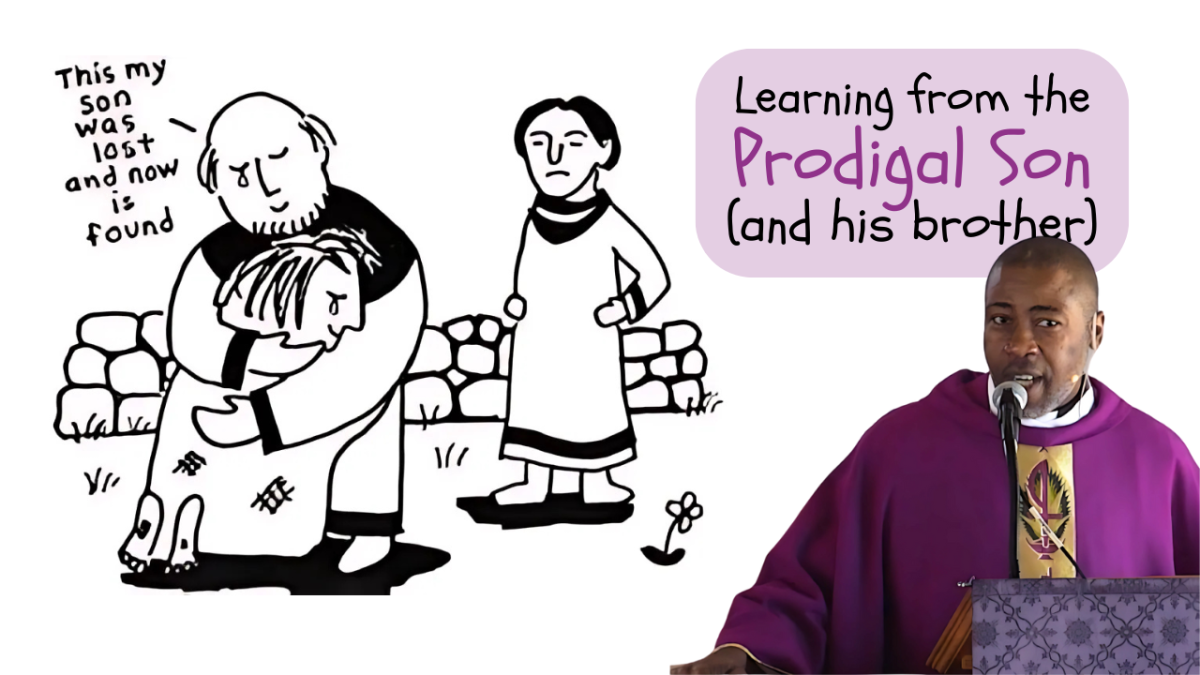 In today’s reflection, we delve deep into the parable of the prodigal son, as told in Luke’s gospel, chapter 15. This story was shared by Jesus in response to the Pharisees and scribes who were upset because Jesus was welcoming and dining with tax collectors and sinners. It serves as a powerful narrative on sin, repentance, and reconciliation.
The Prodigal Son’s Journey
The parable begins with the younger of two sons demanding his share of the inheritance from his father—requesting what would have naturally come to him only after his father’s death. This act is tantamount to wishing his father dead. He takes his inheritance, ventures into a distant land, and squanders it all on a life without morals or boundaries.
When famine strikes, the son finds himself destitute, longing even for the food that pigs eat—a grievous position for a Jewish man to desire. In this rock-bottom state, he comes to a point of clarity and recognizes his wrongdoing. He decides to return to his father, not as a son, but as a hired hand.
True Repentance and Godly Sorrow
This moment of realization exemplifies true godly sorrow and repentance. The Apostle Paul describes in his second letter to the Corinthians that godly sorrow brings repentance that leads to salvation and leaves no regret, in stark contrast to worldly sorrow, which brings death.
Repentance is more than mere acknowledgment of wrongdoing. It is a heartfelt change in mind and behavior, a turning away from sin towards reconciliation with God and others. This genuine sorrow leads to a restored relationship, removing the burden of guilt and shame.
The Power of Confession and Forgiveness
The psalmist writes of the happiness of those whose transgressions are forgiven, suggesting that silence in acknowledging our sins leaves us burdened. Confession is good for the soul, a tool for reconciliation and wholeness, allowing us to admit our faults and ask for forgiveness.
Refusing to acknowledge wrongs and offer genuine apologies can lead to discord, as seen in historical and current events where nations refuse to recognize their past misdeeds.
Reconciliation: At the Heart of Our Faith
Ultimately, reconciliation is central to the Christian faith. As followers of Christ, we are called to convey the gospel message that we can freely confess our sins and be reconciled to God, who does not hold our transgressions against us.
In the spirit of the prodigal son, we are invited to repent truly and to rise from our rock-bottom places, turning towards a fresh start with God and one another.
Amen.
Posted on: March 23rd, 2025 by St. Stephens Downsview
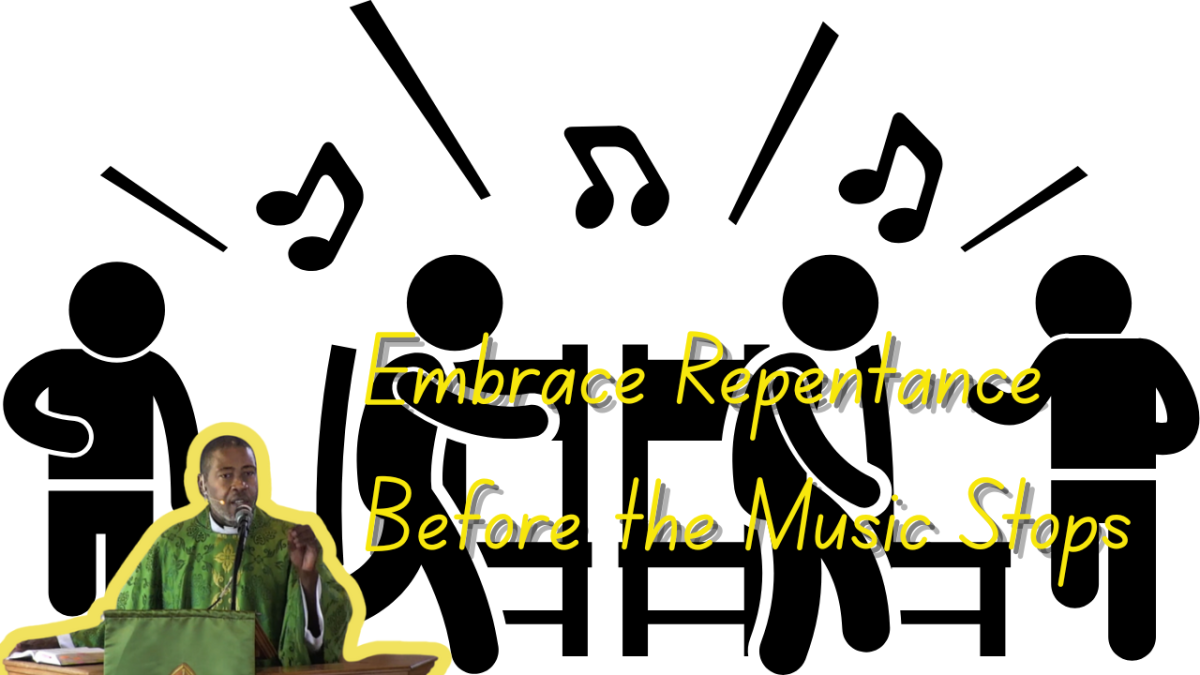 In Luke’s Gospel, chapter 13 verse three, Jesus imparts a sobering reminder: “Unless you repent, you will all perish as they did.” This notion of repentance can seem daunting, yet it is a central tenet of our spiritual journey. Similar to the game of musical chairs, life is unpredictable. We must be ready when the music stops. Here, I’ll share reflections on embracing repentance before it’s too late.
A Lesson from Musical Chairs
Growing up, I often played musical chairs at birthday parties. The lively music and simple rules made for an exciting game. But the key was always to find a chair the moment the music stopped. This game is a poignant metaphor for life—no one knows when the music will stop, leaving us scrambling for security.
The Gospel of Repentance
In our Gospel passage, we see people approaching Jesus with news of an atrocity: Galileans were massacred while worshiping. Jesus challenges the misconception that tragedy befalls only the wicked by asking if they thought those Galileans were worse sinners. Contrary to popular belief, our safety isn’t guaranteed by our perceived righteousness.
Repentance: A Continuous Journey
Jesus emphasizes the need for true repentance: an authentic turning away from distractions and a reorientation towards Christ. This act is not a singular event, but a continual practice along our Christian journey. Every misstep presents another call to repentance.
The Grace of Lent
Lent offers us a unique opportunity to pause and reflect upon our lives. It’s a time for introspection, allowing us to realign ourselves with Christ’s calling. This season gives us the chance to correct our course and deepen our connection with God.
Honesty and Humility in Repentance
Repentance demands honesty, humility, and the courage to change. It’s necessary to admit our mistakes and step onto God’s path of grace. Paul reminds us that even when we believe we stand firm, we must remain vigilant and humble, relying on God’s strength, not ours, to avoid stumbling.
A Final Parable
Jesus’ parable of the fig tree serves as a reminder of divine patience and opportunity for growth. Despite its unfruitfulness, the fig tree is given another chance to flourish. Likewise, God graciously offers us time to bear fruit in His vineyard.
Conclusion
We live within the rich soil of God’s grace, surrounded by His love and forgiveness. My prayer for this Lenten season, and beyond, is that we seize the opportunity for repentance and growth, ensuring that we are rooted firmly in Christ before our time is unexpectedly up.
In the words of the prayer: “God of infinite goodness, renew our call to repentance and aid us in our journey, surrounding us with grace to fashion our lives anew through Jesus Christ our savior. Amen.”
Now, regarding the meeting minutes in HTML format, unfortunately, Descript does not support HTML formatting or content creation. You can find more help with formatting at Descript’s help center. If you need assistance with anything else, let me know!
