Posted on: September 28th, 2025 by St Stephens Office
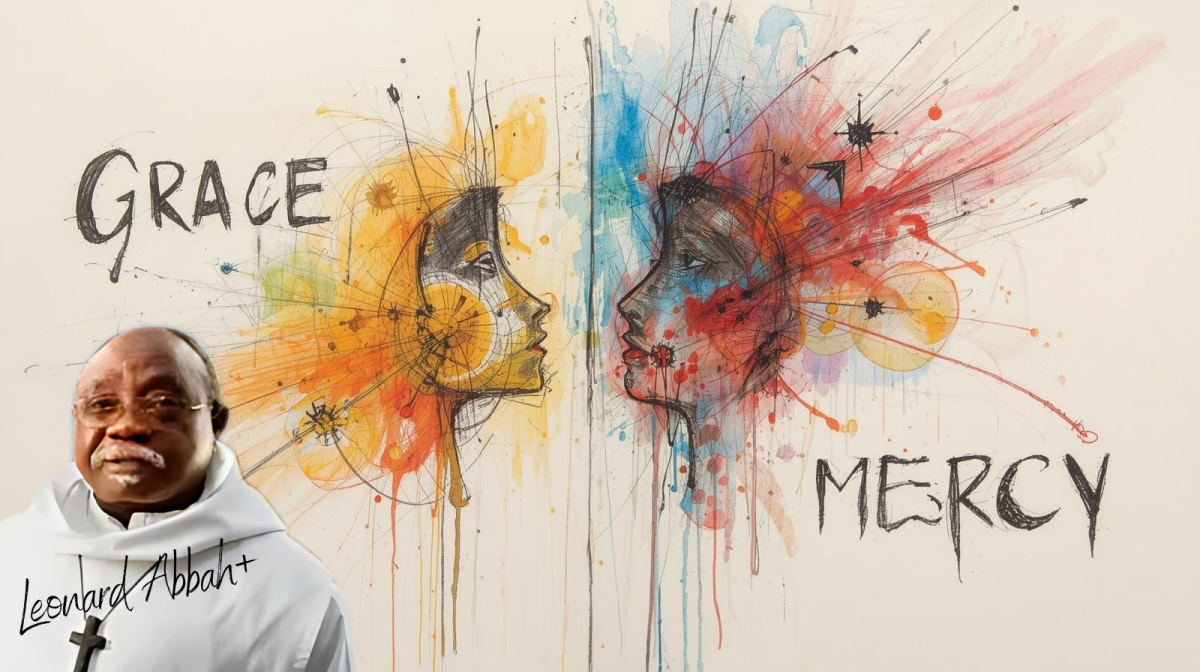 In our spiritual journey, we often hear about grace and mercy. But do we truly understand their significance and differences? Let's take a deeper look.
Understanding Mercy and Grace
Mercy, in its essence, is God's decision not to punish us. On the other hand, grace is God's decision to save and bless us. Each plays a crucial role in our relationship with God, offering us a way to navigate the challenges and opportunities life presents.
The Parable of Lazarus and the Rich Man
There's a notable story in the Bible about Lazarus, a poor man, and a rich man who remains nameless. This parable serves as a profound reminder of how society often overlooks the seemingly insignificant while glorifying the powerful. In many cultures, a name is significant; it carries identity and meaning. So when we hear of Lazarus, we understand there's more to his story than just poverty. His story echoes through time, reminding us of the invaluable lesson that no matter our social status, our names, and actions, hold power.
Socioeconomic Structures and Our Faith
The world is marked by economic disparities—rich, middle-class, poor, and poorest. Lazarus represents those who are overlooked and marginalized. Throughout history, from Biblical times to modern-day cities like Los Angeles' Skid Row, societal structures have fostered these disparities. Liberation theology and thinkers like Father Vincent have critiqued these inequalities, emphasizing that poverty is often a systemic issue, not merely a personal failure.
Gifts from God and Our Responsibility
We are stewards of the gifts God grants us. In the parable of the talents, we learn that our wealth and resources are not for hoarding but for uplifting those around us. The rich man lived in comfort, blind to the suffering at his gate. But scripture warns us of the dangers of allowing wealth to dictate our actions, blinding us to justice, mercy, and compassion.
The Reversal of Fortunes
Biblical teachings talk of the reversal of fortunes—where the oppressed will find solace, and the proud will be humbled. This challenges societal power dynamics, promoting equality and justice. Luke's Beatitudes underscore the blessings for the poor and the pitfalls for those consumed by wealth and status.
Our Shared Humanity
Regardless of our wealth or status, there is a commonality that unites us all: our mortality. Both Lazarus and the rich man died, yet their fates in the afterlife starkly differed. Lazarus was carried by angels, while the rich man found himself in torment. These narratives compel us to reflect on how we live and whom we choose to help.
Living with Mercy, Compassion, and Love
As we approach Thanksgiving, let's extend our tables to those in need. Invite those who might not have, so they can also partake in the blessings of community and fellowship. We are called to act with mercy, compassion, and love, treating each other as fellow human beings created by God.
In closing, remember that grace and mercy are not just divine gifts but responsibilities we must earnestly uphold in our lives. Thank you for joining me in this reflection. May we continue to live with love and kindness, honoring the teachings of God the Father, Son, and Holy Spirit. Amen.
Posted on: September 21st, 2025 by St Stephens Office
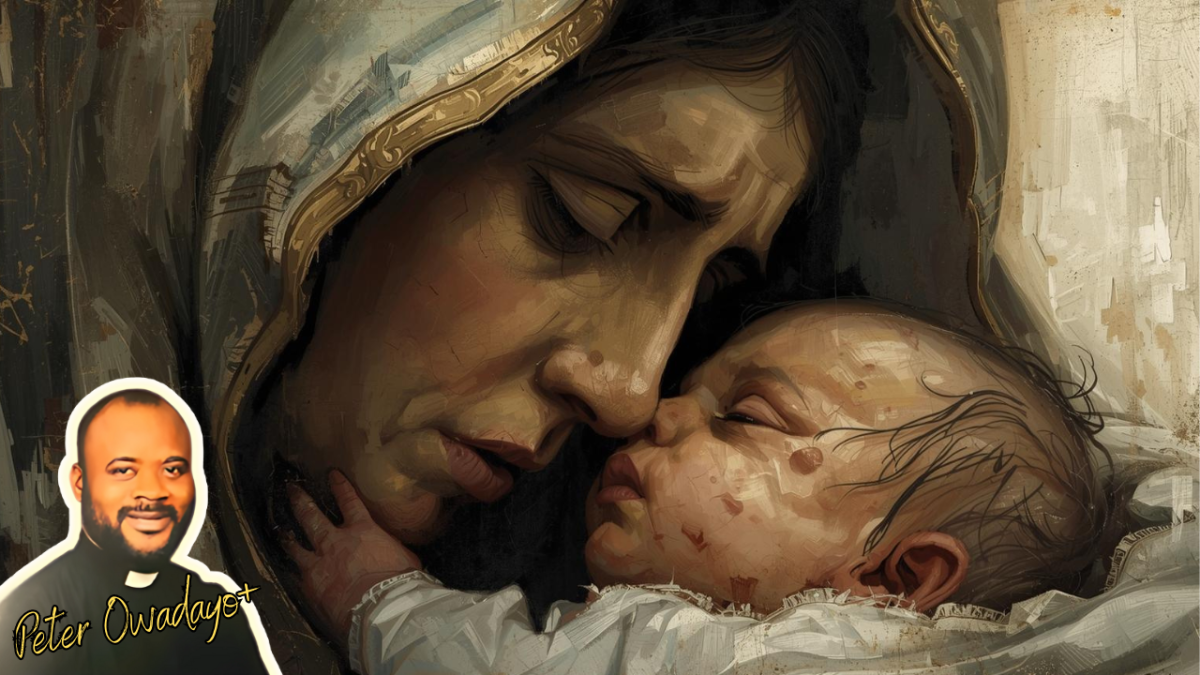 In today’s sermon, I invite you to embark on a journey of introspection and prayer as we confront the pervasive presence of sin in our lives and in the world. Let us begin with a prayer to seek divine forgiveness and mercy.
A Call for Repentance
Let us pray:
Lord, we acknowledge our surrender to sin and how it distances us from Your eternal salvation. We come with a repentant heart, ready to seek Your mercy. We confess our sins, countless as they may be, trusting in Your promise of mercy. Cleanse our hearts, plagued by pride, envy, jealousy, sloth, gluttony, vanity, and lust. Grant us ears to understand and interpret Your word, in the name of God, the Father, Son, and Holy Spirit. Amen.
The Cry of Life
From the moment of birth, our lives are intertwined with tears. As babies, our first act is to cry. This world, filled with sorrow and atrocity, prompts us to lament. Sin often seems an inevitable part of human existence, yet, through Jesus Christ, we find the hope of repentance. I remember the tears shed when many of us first embraced Christ, and although the tears dried, they symbolized our initial steps toward redemption.
Understanding Sin from Multiple Perspectives
Our understanding of sin varies based on theological, philosophical, psychological, and sociological perspectives. Theologically, sin is a transgression against the will of God. It’s the original sin inherited from Adam’s disobedience. Philosophically, sin represents a moral failing, and from a secular standpoint, it translates into guilt or shame.
Societally, we’ve constructed moral codes dictating what’s considered sinful. Unfortunately, what’s celebrated today often contradicts divine guidelines. This societal shift is a reflection of the challenges we face as we strive to uphold spiritual truths.
Jeremiah: The Weeping Prophet
Reflecting on the prophet Jeremiah, often called the weeping prophet, we see a figure who lamented deeply for his people. His writings reveal profound grief over sin and impending divine judgment. His emotional turmoil mirrors the distress we experience as we witness societal decay and the church’s struggle against worldly influences.
The Modern Church’s Struggle
We live in a time when the church is struggling to stand firm in truth. Society’s behaviors seep into our sacred spaces, leading some spiritual leaders astray. Jeremiah’s tears are a symbol of the pain caused when spiritual leaders mislead their flocks, leading them away from God’s path.
As priests, we carry a heavy burden to guide and not mislead. The Bible warns that misleading even the smallest among us is a grave offense, warranting dire consequences.
Becoming the Light of the World
I urge us, beloved in the Lord, to live differently, embracing the truth as our guiding light. Let us be the light set on a hill, illuminating the world with our faith and deeds, living as beacons of hope in these trying times.
Embracing God’s Purpose
Jeremiah’s life was filled with challenges, yet his unwavering faith is a testament to the strength found in God’s purpose. Like Jeremiah, let us embrace our divine calling, even in hardship, knowing God is with us every step of the way.
Conclusion
I call upon each of you to turn back to God, not as mere followers of religious rituals, but as true worshippers. Let our prayers today be a testament to our commitment to live as children of God. As we navigate this dark world, let us resolve to shine bright, bringing light and hope wherever we go.
Let us pray:
Lord, thank you for Your word. Help us be lights in this dark world, guiding others toward Your truth. In the name of God, the Father, Son, and Holy Spirit, Amen.
Let us carry this message into the world, living with purpose and a steadfast heart. May God bless us all in this endeavor.
