Posted on: September 27th, 2026 by St Stephens Office
From the depths of Egypt to the teachings of Jesus, learn how humility and love can transform our lives. Are you ready to embrace the call for unity and compassion?
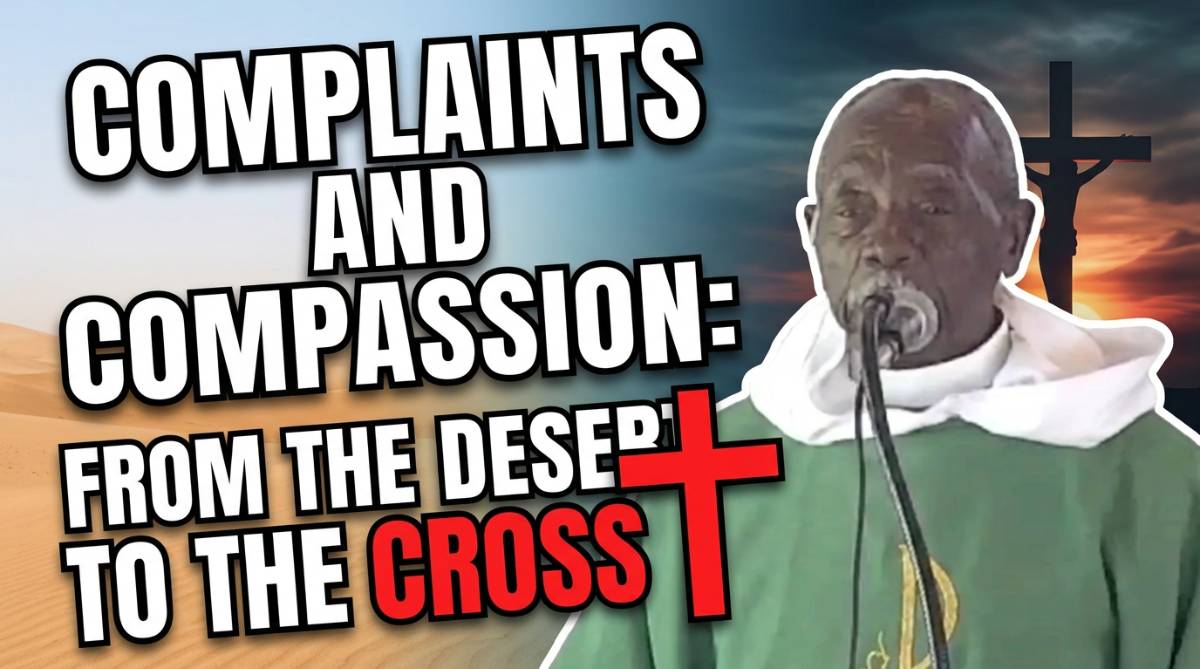
As I reflect upon the stories from the Old Testament, it becomes evident that this holy book not only serves as a historical account but primarily reveals the profound relationship between God and His beloved people. Despite our often ungrateful response, God continually treated us with compassion, mercy, and love. Even when faced with trials, God’s steadfastness remained evident.
Let me take you back to a time when God was rescuing the Israelites from Egypt. They found themselves at a place without water and began complaining against Moses. Complaint is far from a new phenomenon, isn’t it? We often find ourselves moaning about our circumstances, even when our lives are abundant with blessings.
The story unfolds with God instructing Moses to use his stick to bring forth water from the rock—an act of divine providence and greatness. Yet, even after witnessing such a miracle, the people questioned, “Is the Lord among us or not?” These are questions not only rooted in the past; they echo in our hearts even today. But let us remember, the Lord is indeed among us. We can find Him in our seeking, in our knocking, and in our asking.
The Psalms remind us to heed the teachings that pour forth like rain. Oral history kept the legacy of God’s good deeds alive through generations. Yet somehow, those deeds were forgotten amid complaints and doubt, with many yearning for the days of slavery over divine freedom.
The challenges we face today might be different, but they mirror this historic struggle. When we encounter difficulties, we ask ourselves, “Where is God?” But let us carry faith that God is ever-present among us.
In the New Testament, we find Peter’s attempt to deter Jesus, met with the reminder to follow, not lead. Paul’s epistles urge Christians to be of one mind, to act in accord, and not as programmed machines lacking emotion. I once owned a Samsung phone that prompted AI-generated responses, which often led me to forge my genuine reactions instead.
Our journey, too, must be genuine, rooted in love, humility, and obedience. These are virtues we must reclaim and nurture, for in them, we meet the Lord.
The temple held both economic and social importance; it was more than a place of worship, it was a hub for religious transformation. The chaos Jesus encountered—and His subsequent cleansing of the temple—underscores the purity our souls must strive for.
Pharisees and Sadducees questioned His authority, never recognizing John the Baptist, and thus, Jesus Himself. Yet, Jesus walked a path of teaching and healing, transforming the world through parables that left the wise contemplating profound truths.
In our lives, it is imperative to question whether the Lord is among us. Are we humble? Are we ready to sacrifice, even unto death? My brothers and sisters, to live as Christians is to live in concord with one another, with humility and unyielding love.
As Paul wisely advises, being a Christian extends beyond words; it calls us to follow through with our actions. Let us gather in unity, overcoming discord through steadfast love.
In closing, I urge you to reflect deeply on your influences and surroundings. “Show me your friends, and I’ll tell you your character,” as the proverb goes. Let us strive to be like children in faith, letting love and concord guide us through life.
Remember, the essence of our faith is brought to life in community and shared understanding. Let us talk about Jesus and the wondrous deeds He continues to perform in our lives.
In the name of God the Father, God the Son, and God the Holy Spirit. Amen.
Call to Action: As we ponder these reflections, let us actively seek to be a community that embodies love, mercy, and humility. Reach out, connect, and discuss these fundamental truths with someone today, sharing the light of compassion and understanding that God has shown us.
Posted on: September 13th, 2026 by St Stephens Office
In today’s world, unforgiveness can seem as common as a plotline in a classic spaghetti Western; it might appear thrilling in cinema, but it’s disastrous when practiced in real life.
Gracious Lord, may your word today guide us, strengthen our spirits, and infuse us with wisdom. As we dive into this reflection, may we all be drawn closer to your blessed kingdom through the clarity and brightness of your holy word. Our desire is for light, wisdom, and nourishment to illuminate the paths we traverse daily.
The Essence of Forgiveness
The world becomes a chaotic Wild West when unforgiveness becomes a habitual way of life.
Yet, we often cling to it. Why? The core message for today is simple: We must forgive because God forgives. If we aim for lives less like tumultuous films and more like the kingdom of God, our mantra should be, “God forgives, so should I.”
A Biblical Perspective
Consider this: the Apostle Peter once posed a question about forgiveness to Jesus, asking, “Lord, if another member of the church sins against me, how often should I forgive? As many as seven times?” Peter thought himself generous, but Jesus raised the bar drastically, saying, “Not seven times, but seventy-seven times.”
To illustrate, Jesus shared a parable about a king who forgave a massive debt owed by a slave—a debt that was insurmountable. Yet, that same slave failed to extend forgiveness to a fellow debtor. Jesus’ parable teaches us that the kingdom of heaven is not about rigid justice but overwhelming mercy.
Understanding True Forgiveness
The crux of this message is that forgiveness from God is not earned; it’s a merciful gift. If we grasp the full depth of God’s forgiveness, it transforms us, making us more forgiving individuals.
At St. Stephen’s, we aim to embody this transformation, allowing God’s grace to overflow from us, impacting everyone we interact with. It’s not about striving harder but opening our hearts to the abundance of God’s mercy, grace, and forgiveness.
The Impact of Forgiveness
Consider the woman in the book of Luke who, having been forgiven much, loved much. Understanding forgiveness doesn’t drive us to shame or distance from Jesus; rather, it emboldens us to love and worship Him unabashedly.
Our mission should extend beyond increasing church attendance; it should focus on introducing people to Jesus in the transformative way this woman experienced.
Navigating Challenges
Challenges in forgiving others exist, especially when faced with deep wounds or ongoing hurt. But remember, while we’re not always called to forgive sins—we leave that to God—we can extend mercy. Mercy invites others on a journey towards redemption without demanding they earn it from us first.
Conclusion
A poignant reminder comes from a sermon preached after the tragic events of September 11th, 2001. On that day, people crowded churches, seeking a path away from the destruction that unforgiveness wrought. It’s a stark reminder that revenge and grudges don’t lead to life but to death and destruction.
If you’re weary of the unforgiving path that leads away from true life, know there’s another path: the path of mercy and forgiveness that Jesus paved for us. Let’s walk this path boldly, trusting God to guide us and seeking the transformative life we’ve been yearning for.
Call to Action
Let us open our hearts to God’s abundant grace, seek mercy, and transform ourselves into beings of forgiveness. Reflect on what truly holds us back from being as forgiving as we should be, and step forward with courage. Together, let’s create a life rich with forgiveness, modeled after the kingdom of heaven.
Posted on: September 8th, 2026 by St Stephens Office
In today’s reflection, I’d like to invite you to embark on a journey with me–the journey of forgiveness and healing. It won’t be an easy path, but it’s one that promises profound reconciliation and spiritual peace.
As we begin, let us pray: Gracious Lord, may your word be our guide and sustenance, bringing wisdom that renews us, drawing us all into your blessed kingdom through Christ our Savior.
Following Together, Forgiving Together
Our gospel readings teach us that following Christ is not a solitary journey; it’s a shared endeavor. We do not walk alone; we walk with those who will sometimes fail us. Jesus compares this community of believers to a shepherd who tirelessly seeks out the lost sheep, striving to reunite them with the flock.
He’s intentional about demonstrating the necessity of reconciliation within the church. When one person errs, restoration is a community effort. And while it may not come naturally, it’s an integral part of our faith.
A Process of Reconciliation
Often, our initial response to being wronged isn’t reconciliation. We retreat inward, judging the actions and character of those who’ve hurt us. But Jesus calls for a different approach: address the individual privately first, allowing truth and understanding to nurture healing.
If private conversations fail, we involve trustworthy community members as witnesses—not to condemn, but to remember who this person truly is, recalling their contributions to our shared spiritual journey.
Even when an individual strays further, Jesus instructs us to embrace them with open hearts and unyielding love, just as he dined with and cherished tax collectors and sinners. As a community, we must extend prayer and ministry to those in need of transformation.
Building a Christ-Like Community
To grow as a church, we must first grow in Christ’s image. It’s tempting to dream of overflowing pews and expanded ministries, but true growth begins with a community rooted in reconciliation and forgiveness. We must emulate Jesus’ joy and persistence in enduring the cross for the sake of unity.
Before inviting others in, we must create a garden of spiritual togetherness, where even if our aspirations differ from reality, we cultivate an environment of love and understanding.
Belonging Together Through Faith
Belonging to the church isn’t achieved through isolation or mere participation in virtual services. It’s found in genuine connections with fellow believers, embracing that the church community is a powerful source of God’s healing gifts.
Whether burdened by our own sins or others’, the church remains a sanctuary for forgiveness. Together, we confess, repent, and strive for the holiness God envisions for us.
Living Jesus’ Teachings Beyond Church Walls
In our broken world where discord is rampant, Jesus’ teachings offer a blueprint for healing beyond church walls. By resisting the urge to demonize and opting for truth and love, we set powerful examples in our personal and professional lives, manifesting God’s Kingdom on earth.
As stewards of reconciliation and forgiveness, we are called to live out these values not only in our spiritual community but also in our everyday interactions.
Call to Action
I encourage you to carry these reflections with you. Pursue forgiveness and healing in your personal relationships, creating spaces where others can feel the embrace of understanding and grace. Let’s embody Christ’s teachings, bringing about transformation not just within our church, but within the world. As we say in prayer, “Thy will be done,” let it begin with the steps we take together.
May God’s Word guide you and grant you peace. Amen.