![]()
 As we reflect on our place in the world and our responsibilities to one another, I am reminded of how peace begins with our smallest actions. Whether we're checking in on an elder who lives alone or welcoming a newcomer with dignity, our everyday choices shape the world we live in. True peace is forged not only on a grand scale but also in how we handle conflicts at home, in how we choose to parent our children, and in opting for forgiveness over retaliation. These paths may be difficult, but this is what we are called to do.
Embracing the New Self
In his letter to the Colossians, Saint Paul invites us to don a new self, defined by the righteousness of Christ. This represents our ultimate liberation—not merely from physical chains or restrictive systems but from everything within us that distorts our humanity, such as bitterness, prejudice, greed, and pride. We are called to break down the old barriers that divide us.
A New Kind of Family
We belong to a new family that transcends the labels of Greek or Jew, slave or free, and emerges as one people bearing the image of God. As we celebrate emancipation, we're reminded of a profound truth: God's love remains steadfast even when we falter in our faithfulness. True freedom goes beyond the physical—it's moral, spiritual, and deeply communal.
Living with Purpose
We are called to resist the idols of wealth, comfort, and ego. Instead, we should live differently, clothe ourselves with Christ, and strive to build a community that reflects these values. The work of emancipation is ongoing. It lives on in how we raise our children, honor our stories, challenge injustice, and practice hope through daily acts of mercy and bravery.
Building a Legacy
The legacy of emancipation continues in the bonds we create, the communities we nurture, and the unity we seek. We should avoid living like the man who hoarded for himself only to die without truly living. Instead, let us be rich toward God—rich in compassion, generosity, truth, service, memory, and vision. Let us build a world infused with the justice and mercy of God as we remember those who walked before us, guided not by fear or pride but by humility and the holy fire of God's liberating spirit.
May this spirit guide us today as we honor God and live in His freedom. Amen.
 Welcome, everyone. Today, I want to share a message that is close to my heart, one that I have pondered over countless times. It’s about the importance of prioritizing our spiritual lives over material desires, about seeking God’s kingdom first. This is a call to live with intentionality, integrity, and a focus on what truly matters.
The Power of Spiritual Priority
We all have desires and aspirations, such as financial stability or personal achievements. But no material gain should come at the expense of our spiritual well-being. The kingdom of God should be our final destination. It's a place of unending joy, peace, and communion with the saints and our loved ones who have gone before us.
Living with Intentionality
Our daily petitions should prioritize peace, compassion, and authenticity. It's crucial to choose a life that mirrors God’s teachings, to strive for holiness and moral integrity. A life centered on God’s kingdom is a life well-lived. Scriptures remind us to seek first the Kingdom of God and His righteousness, as everything else will be added to us. As we prioritize this, we place God at the helm, much like a pilot leading a plane.
Understanding Our Forebears
Before the advent of Christianity, our forefathers worshiped God in their ways. They sought balance, avoided abominable practices, and maintained a spiritual connection with the divine. This history reminds us that prioritizing spirituality isn’t new; it’s ingrained in us to seek and maintain a relationship with God beyond physical confines.
Humility and Wisdom
Let’s turn to the example of Solomon, who understood that physical intelligence could never surpass divine wisdom. He asked God for wisdom to lead his kingdom, a testament to the understanding that only through spiritual depth can we truly thrive. Today, we must emulate this by seeking God’s guidance in all aspects of our lives.
Facing Challenges with Faith
We face challenges, battles not against flesh and blood but against spiritual forces. To withstand this, we’re called to put on the armor of God, to live by faith and prioritize spirituality. Emulating Christ means moving beyond intellectual beliefs to living a life deeply rooted in faith.
Choosing a Life Led by the Spirit
I challenge us to choose spirituality over worldly attractions. The Spirit gives life; the flesh leads to downfall. Joshua 24:15 invites us to choose whom we will serve, and I urge us all to choose God. In doing so, we not only live with purpose but also ensure eternal life.
Conclusion
As we go into the world this coming week, let us live by God's word and Spirit, casting aside the flesh’s temptations. Let us pray for strength to fulfill this commitment, thankful for the guidance of God the Father, Son, and Holy Spirit.
In humility and faith, we shall journey together towards a life prioritized by our spirituality. Amen.
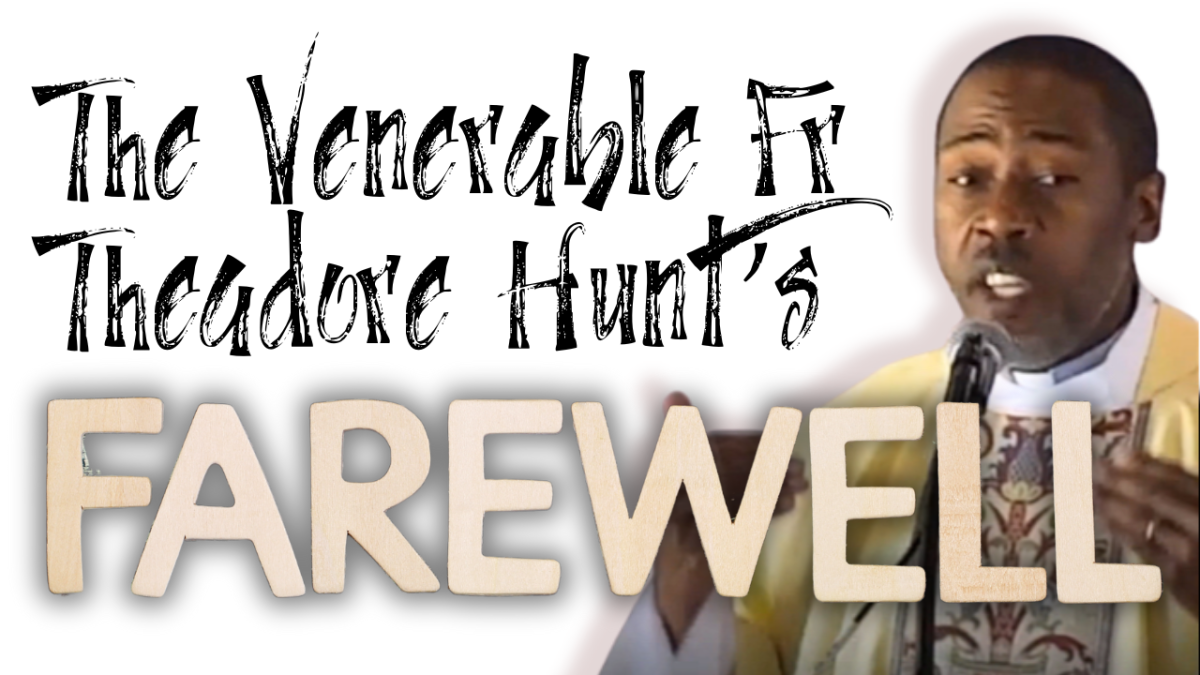 As I stand before you today, surrounded by familiar faces and a community that has become like family, I find it both a privilege and a bittersweet moment to bid farewell to Father Theodore Hunt and his family. Over the past eight years, Father Hunt has been an integral part of our lives at the Church of St. Stephen Downsview. His wisdom, humor, and dedication have touched us all deeply.
Honoring Father Theodore and His Family
Our journey today begins with reflections from our beloved Sunday School, led by the youthful voices who hold the future of our faith. They shared heartfelt messages of gratitude, underscoring the joy and lessons imbibed from Father Hunt. We are reminded that while paths may diverge, God's love remains our guide.
Throughout the day, we heard from various community members who share Father Hunt's passion for fostering interpersonal relationships. Brother David from the Sierra Leonean community and Ms. Cheryl Prescod from the Black Creek Community Health Center offered words of thanks, highlighting Father Hunt's seamless integration into our diverse community, transforming mere acquaintances into familial bonds.
The Church Leadership's Tribute
Representatives from the wardens and other ministries shared their appreciation for Father Hunt. They spoke of his unwavering commitment to nurturing our parish, his ability to inspire through his sermons, and the personal touch he brought to every aspect of church life. Father Hunt didn't just minister to us; he walked with us, celebrating joys and offering solace in times of need.
A Musical Farewell
The choir and music ministry underscored the deep impact Father Hunt has had on us. His unique ability to lead without a glance at the hymn sheet and his incredible memory are matched only by his authentic and heartfelt participation in every service.
Personal Reflections
As this event unfolded, I stood as a witness to Father Hunt's influence, echoing the sentiments expressed throughout the day. Relationships built here are real and lasting, and as Father Hunt transitions to a new community at Christchurch, Brampton, his presence will be missed greatly.
A Final Blessing and Gratitude
In conclusion, Father Hunt blessed us with words of gratitude, reminding us that relationships formed here are genuine. As we say farewell, we do so knowing that his time with us has not only been a chapter in his life but also an indelible mark on ours. It is with heartfelt thanks and blessings that we let him go, praying for continued success and divine guidance as he embarks on this new journey.
Let us continue to love and serve one another as we have been taught, welcoming new members with open arms, and witnessing the transformative power of faith and community.
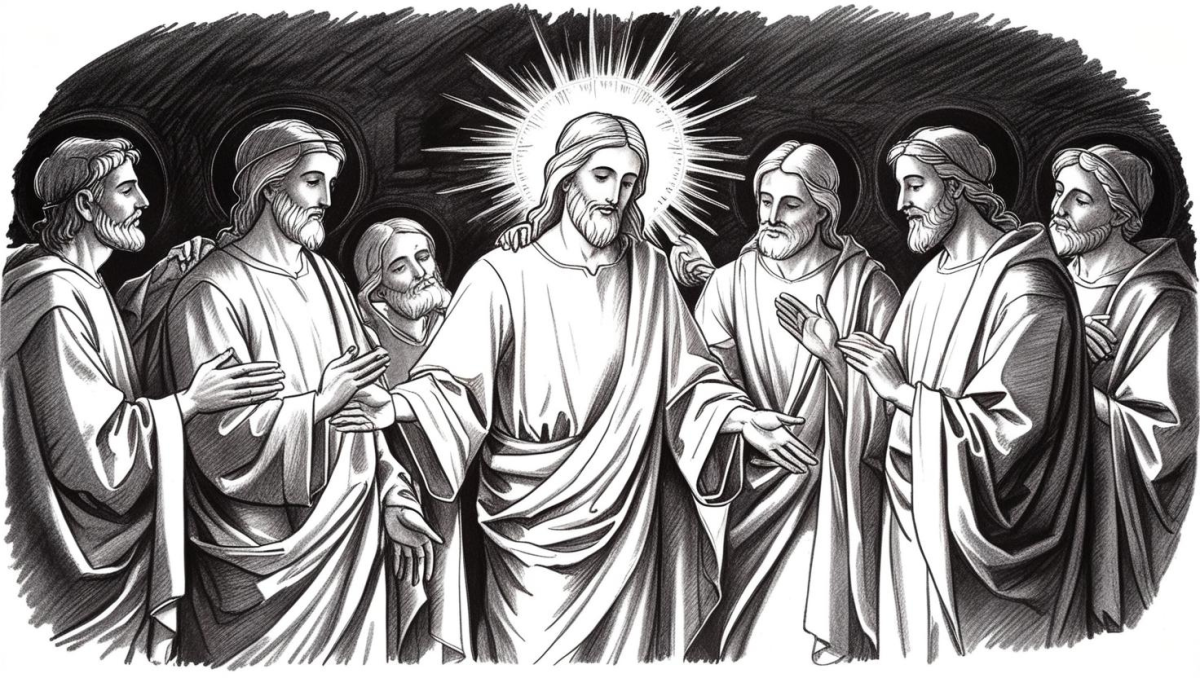 Good morning, dear readers. I am excited to connect with all of you once again as we gather to reflect upon a powerful message from John's Gospel, chapter 13, verses 34 to 35. These verses remind us of a new commandment from Jesus, urging us to love one another just as He has loved us. In doing so, the world will know we are His disciples.
The Context of Love
In our Gospel reading today, we find ourselves in the intimate setting of the upper room, where Jesus shares His final meal with His disciples before His betrayal. It is a somber time, filled with anticipation and uncertainty about the future. In the midst of this gathering, Jesus performs the humble act of washing His disciples' feet. This gesture serves as a profound example of the selfless love He calls us to embody.
Navigating Life's Transitions
We've all faced moments of transition in life—times when we move from the familiar to the unknown. Whether it's the birth of a child, the loss of a loved one, marriage, or changes in our careers, these periods can be challenging. Yet, in these moments, we seek things that anchor us—our identity, values, and beliefs. Jesus provides us with this anchor through His commandment to love one another, offering us stability amidst life's uncertainties.
The Love of Jesus
The love Jesus speaks of is no ordinary love. It's not merely affection, but a profound, selfless act of serving others with empathy and humility. His love is unconditional and seeks the ultimate good for all of us. It's a transformative love, encouraging repentance and faith. This divine love, rooted in self-giving, distinguishes followers of Christ.
Challenges in Loving Like Christ
Despite the simplicity of this commandment, history shows us how difficult it is to truly love others as Christ loves us. We often become self-focused, distracted by our own lives, and lose sight of the needs of those around us. Our challenge is to look beyond our cultural, social, and economic lenses and embrace others with Christ-like love.
The Importance of Community
In the early days of Christianity, the apostles' love for one another was a beacon of light in the darkness. Their selfless acts drew others to them naturally, without the need for grand gestures. By living in genuine love and service, we too can attract others to the faith by our example.
Our Call to Love
As I reflect on Jesus' impending departure, I see the urgency in His message to His disciples—a message that is equally relevant to us today. We are called to embody the love of Jesus, caring for one another not out of obligation but because it is the essence of God's love. This kind of love is transformative for both us and the world around us.
Conclusion: A Call to Action
Friends, I encourage you to look at those in your life as gifts from God. Cherish these relationships and strive to love and serve each person, upholding their highest good. Remember, even our enemies are gifts, just as Jesus shared the table with Judas. May we pray for the wisdom, will, and strength to follow Jesus' example, glorifying our Savior through our selfless love.
Closing Prayer
Let us pray together: Almighty God, our Heavenly Father, whose son taught us that every service done for others' sake is done for Him. Give us the wisdom, the will, and the strength to be living examples of this truth that in serving one another, we may glorify Him who is our Savior and our Lord. Amen.
 Good morning, everyone. Today, I welcome you to Palm Sunday as we embark on the Holy Week. As we gather, I want to share some words from Luke’s Gospel, chapter 23, verse nine: “Herod questioned Jesus at length, but Jesus gave no answer.” This Palm Sunday marks a significant moment in Jesus’s journey, his final entry into Jerusalem, which was greeted with fanfare and anticipation.
The Contrasting Crowds
Many who followed Jesus believed this would be the moment he overthrew the Roman authorities to liberate God’s people. Others hoped for a miraculous sign proving his Messiahship. But what began with triumphant cries of “Hosanna” quickly turned into shouts of “Crucify him.” Jesus faced a sham trial, His innocence acknowledged by Pilate and Herod, yet succumbed to the crowd’s will. Even then, Jesus took the place of the guilty, exemplifying his sacrifice.
Zooming Out: Understanding the Bigger Picture
Let us take a moment to step back and comprehend the larger narrative at play. In doing so, we gain clarity on what it means to journey with Jesus in his suffering. The incarnation—God taking human form—was for our reconciliation. Jesus, in humble obedience, embraced suffering and death. Paul’s letter to the Philippians beautifully encapsulates this: Jesus was obedient to the point of death, even death on a cross.
The Courage to Endure
We often say, “I’ll do it, even if it kills me,” expressing determination. Yet, rarely do we expect true peril. For Jesus, this was literal. His determination demonstrates true courage—doing what’s right, even at a great cost. Through this, we learn that God’s boundless love pursued our salvation despite suffering.
Silent Witness: Endurance and Persecution
Jesus’s silence in the face of false accusations stands as a profound witness. He did not retaliate but let his life testify to God’s truth. This silence invites us to a deeper faith; it’s not about refraining from words but about trusting God’s justice and embracing his will, even amidst suffering.
The Call to Obedience
This obedience isn’t learned in moments of trial but cultivated throughout our Christian walk. Through Jesus’s teachings, such as in the Sermon on the Mount, we understand the blessing in persevering through persecution. Jesus’s journey from Palm Sunday to Easter reflects meekness, not weakness—a deference to God’s will.
Reflecting on Our Journey
As we reflect, I encourage each of us to examine how our lives mirror the obedience of Jesus. In daily choices, are we willing to take up the cross of obedience, even if it means personal sacrifice? Navigating this world, remaining true to Christ’s teachings is challenging, yet essential.
An Encouragement for Believers
I conclude with encouragement from the letter to the Hebrews, reminding us to consider the endurance of Jesus. In our struggles against sin, the discipline of the Lord teaches us. As children of God, carrying the palm crosses we receive today symbolizes our allegiance and journey with Jesus. Let us mindfully carry this symbol from now until the next season of Lent.
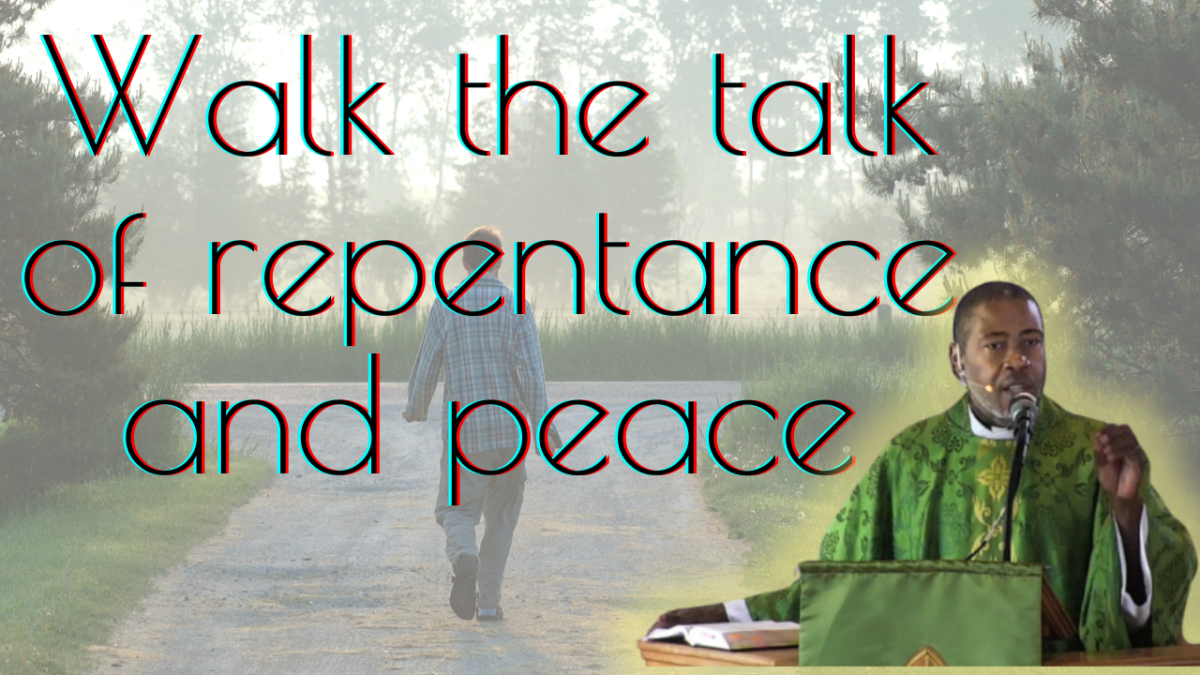 Luke tells us that John went into all the region around the Jordan, proclaiming a baptism of repentance for the forgiveness of sin. As it is written in the book of the words of the prophet Isaiah, the voice of one crying out in the wilderness, prepare the way of the Lord, make his paths straight.
Over the last year and about two months, the world’s attention has been captivated by what are perhaps the two major conflicts of the world. The war between Russia and Ukraine, and the war between the Israeli government and Hamas. The reality is that neither of these wars started in this generation. Their roots, originating from that original offense, go back for many generations. Some nations and people have been fighting for so long that they probably can’t even remember what they were really fighting for anymore. We just know that we are at war.
It takes real effort to remember an offense over many generations because it requires intentionality in holding a grudge. It requires intentionality to hand on unforgiveness, to teach those coming after us what those who have gone before us have done, in a way that engenders a desire for vengeance, even against their descendants. You didn’t do me anything, but your father’s father’s father’s father’s father did, and so you’re going to bear the brunt.
Transforming Our Path
Where does it all end? How do we stop this moving train? Or at least, how do we change its course or direction? While it may be easy for us to ask such questions about external wars, it is much more challenging for us as the people of God to address the questions of such wars which rage within us. That is the internal struggle over whether we strive to walk more and more in the light of Christ and in communion and fellowship with his body, the church, or whether we continue to try to do things our own way, on our own terms in this life, and to try to go it alone. Because that’s the war that rages within each and every one of us.
The Challenge of Identity
It is both ironic and devastatingly sad that many nations and peoples continue to fight, even to this day, against other nations. They’ve invested so much in the cause—so much into this conflict—that stopping feels impossible. The conflict has become such an integral part of their identity that they would find it very difficult to even recognize themselves if they just stopped fighting. This is who we are. Similarly, I would venture to say that we find it extremely difficult to change the course of our lives because we feel that we have gone so far down a particular road.
Our lives and our identity have been shaped by the unfortunate choices and decisions that we have made along the way, forming a kind of home for ourselves. Leaving that home or recognizing who we really are if we were to live more like the way Christ calls us is a difficult task. But yet, friends, that is precisely what repentance calls us to do.
The Call to Repent
In repentance, there is a change of heart, a change of mind with regard to the choices that we have made or the things that we have done, and therefore a change in the direction in which our life is headed. That’s what repentance means. There is authentic godly sorrow over our past deeds because in that moment of repentance, we recognize and acknowledge that God’s way was always right and that it is we who have strayed. From that moment of repentance, we endeavor in the grace of God and with the power of the Holy Spirit to continue along God’s way and not our own.
The Pathway to Peace
Repentance is stopping right in our tracks—and turning back towards the light, turning back towards God. Walking towards the light that is Christ’s life, it is in this act of repentance, stopping, acknowledging, turning, and walking towards God that we begin to experience the peace that Christ brings. God’s peace goes to the root of our conflict. It goes to the heart of our sin. It begins with truth-telling, and this truth-telling must often work through conflict to establish a true and authentic peace.
Conclusion
Perhaps the place to begin in identifying those things of which we need to repent is by giving careful attention to those areas of our lives where we do not presently experience God’s peace. As you consider who you are and where you are in the light, where is that groaning in your life? Where is that heaviness? Where’s that sense of unease? Where’s that sense maybe of complacency in the midst of the darkness?
God never called us to be peacekeepers. God calls us to be peacemakers. And making peace is by no means easy work, but it is important work. It is gospel work. It is the path of peace. It is our salvation.
 In a world where headlines often scream of scarcity, rising costs, and economic woes, it’s easy to become ensnared in a narrative that seems almost inescapable. Today, I invite you to pause with me and consider a different perspective—one rooted in the teachings and wisdom of scripture, and more importantly, in the boundless generosity of God.
Reflecting on Scripture
This morning, let’s meditate on the words from Matthew’s Gospel, Chapter 6, verses 25 and 32 to 33: Jesus says, “Do not worry about your life, what you will eat, drink, or wear. Is not life more than food and the body more than clothing? It is the Gentiles who strive for all these things. Your heavenly Father knows you need these things, but strive first for the kingdom of God and his righteousness.” These words beckon us to shift our focus from anxiety to faith, from scarcity to abundance.
As we observe Thanksgiving, a time traditionally set aside to be grateful, let us explore the juxtaposition between the pervasive feeling of scarcity and the divine truth of abundance. For the past few years, many have felt the pinch of rising costs—groceries, rent, fuel—all seem to surge relentlessly. We’ve grown accustomed to hearing explanations that boil down to supply chain issues or economic demands.
The Reality Behind Rising Costs
However, if you pay close attention, you’ll notice an unsettling trend: major grocery store chains and investment capitalists continue to post record profits despite the economic strain felt by many. This paints a picture not just of supply and demand, but of greed—greed that distorts the prices we pay for necessities like food and shelter.
This greed is evident in other aspects of our lives too—be it fuel prices, homeownership, or saving for future needs. We’re tangled within an economic web designed to cause fear that we might not have enough. Yet, Jesus’ teaching calls us to a different understanding, one that challenges the prevailing mindset.
Living in God’s World
Jesus was not merely offering comforting words but revealing a significant truth: this is God’s world, and He has abundantly provided for all our needs. The Old Testament lesson from Joel echoes this, reminding us of God’s ability to restore and provide generously.
We often forget how to share, succumbing to the belief that the world’s resources are finite. But the world manipulates this fear of scarcity to drive consumption. The world’s markets thrive on convincing you that there’s never enough, and that you’re merely a consumer whose identity is defined by possessions.
Recognizing and Embracing Abundance
As people of God, we’re called to reflect on whether we’re living according to the world’s scarcity lie or God’s abundance truth. Recognizing that we’ve all been swayed by the scarcity narrative is the first step toward liberation from its burden. This acknowledgment allows us to lean into God’s grace and live more freely.
Our understanding of abundance affects how we view our finances, hold onto possessions, and relate to others. Believing that we need to hoard and protect our resources only burdens us with more anxiety and distance from God’s purpose.
Striving for God’s Kingdom
God encourages us to focus not on what we think we need, but on His kingdom and righteousness. By overly focusing on material needs, we invite anxiety into our hearts and miss witnessing God’s providence in our lives. When we shift our attention towards God’s kingdom, we find true freedom and joy, experiencing His provision in profound ways.
Generosity, self-giving, and gratitude are acts of worship and recognition of the God who continuously provides for us. Let us not waste our lives chasing after what we cannot take with us, but instead, seek a life rich in connection, meaning, and faith.
Conclusion
As we strive for God’s kingdom, let us remember that our Heavenly Father knows our needs. He invites us to trust in His abundance, putting aside our fears and embracing the life He offers. Seek first His kingdom, and the rest will follow.
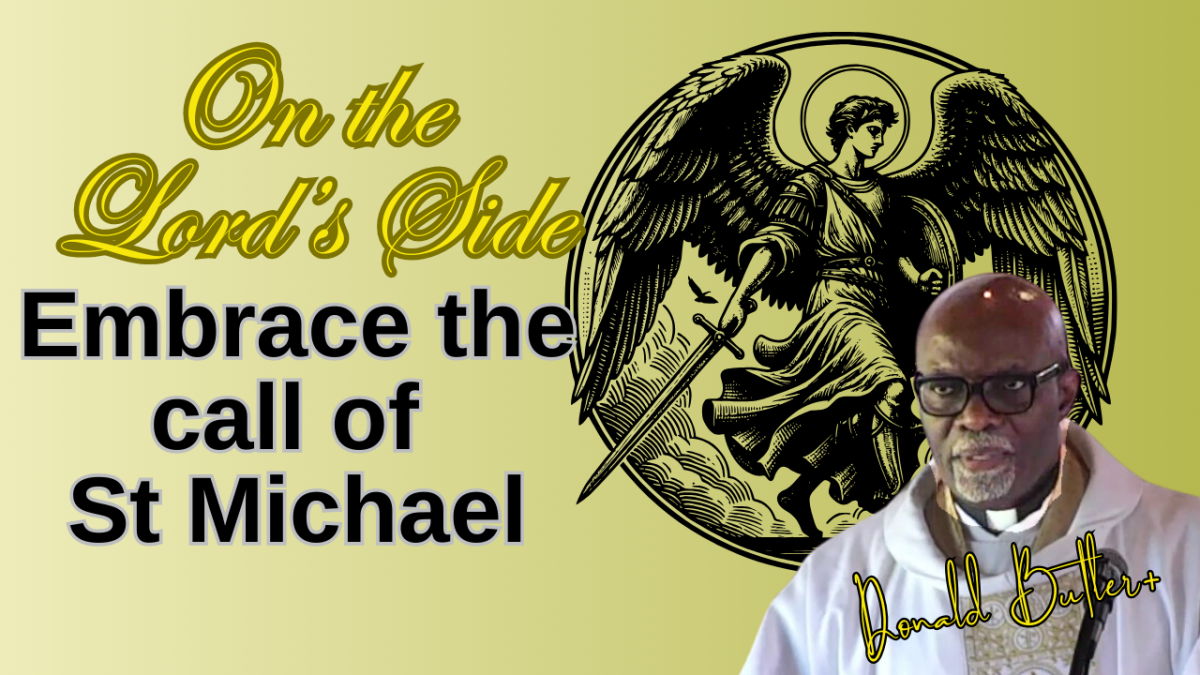 It’s a great day to be here, worshiping with you. Today, we honor Saint Michael and all angels, a feast dedicated to recognizing Michael’s and the angels’ roles in the Christian faith.
As a child, I attended St. Michael’s Primary School in Antigua, run by Anglican nuns. Every Wednesday, we gathered for mass to worship and learn the fundamental principles of the Christian faith. The school’s motto, “On the Lord’s Side,” called us to align our lives with Christ in every aspect. We sang the school song with conviction:
“Who is on the Lord’s side? Who will serve the King? Who will be his helpers, others lives to bring?”
During my primary school days, my knowledge of who St. Michael the Archangel was grew. The nuns and teachers emphasized his role as a heavenly warrior and the model we, the students of St. Michael’s School, should mold our lives upon. They reminded us that, like Michael, we too are called to defend our faith.
As I grew older, I noticed that many homes in Antigua had a picture of St. Michael the Archangel somewhere in the house. Michael was pictured with his foot on the devil’s head. This powerful imagery depicted victory over evil and the protection God provides through His angels. These images also served as reminders to defend the faith we profess.
The Spiritual Battlefield
In Christian theology, spiritual forces, both divine and evil, shape our lives. God, the Holy Spirit, and the angels work to guide, protect, and strengthen us, while Satan and the demons try to deceive and lead us away from God. Ephesians 6:10-18 urges us to put on the full armor of God—faith, righteousness, truth, peace, salvation, and prayer—that we can use to bolster our faith and strengthen our belief in God through Jesus Christ.
Michael’s triumph over the devil vividly illustrates how divine forces overcome evil when we stand firm in the faith. Just as Michael was victorious in the war against Satan, we are empowered by God to resist the devil’s schemes in our time.
The Reality of Spiritual Warfare
The first conclusion we can draw from Michael’s example is that spiritual warfare is very real. We struggle with various issues in our lives: ethical dilemmas, questions of right and wrong, and moral conflicts. The ever-present struggle between good and evil is evident in our news streams and our personal lives, where we wrestle with morality and the values of our children.
Michael’s role as a heavenly warrior shows that we are engaged in a battle not of flesh and blood but of spiritual forces. As James 4:7 tells us, “Resist the devil, and he will flee from you.” Like Michael, we must stand firm against the temptations and lies that we encounter. Yet, we do not fight alone. We have Christ’s strength and His angels’ presence to help us in these battles.
When overwhelmed by doubt or fear, when enemies try to make us feel unworthy or far from God, we must remember Michael’s example. The victory has already been won through Christ’s death and resurrection. By His grace divine, we are on the Lord’s side, secure in His love. The forces of evil that torment us daily have no claim on us.
Angels: Helpers and Protectors
The second point of reflection is that angels are not just celestial beings but helpers and protectors. Throughout the Bible, angels appear during significant moments, guiding, warning, and comforting God’s people. Psalm 91:11 promises, “For he will command his angels concerning you to guard you in all your ways.”
Angels like Michael are actively involved in our lives at God’s command, helping us stay connected to God’s love and protection. They guide us using God’s power and defend us in spiritual battles that we cannot always see or comprehend. When we face struggles, we can pray for help and guidance, confident that God provides assistance through His angels.
We are called to be warriors for good, to stand up for what we know is right and just. Michael’s very name, which means “Who is like God,” challenges us to live lives that reflect God’s goodness and justice. Like the angels, we are not passive recipients of God’s grace but active participants in His plan.
Called to Action
We are all called to ministry, actively involved in God’s plan of salvation, grace, and goodness. As Peter warns in 1 Peter 5:8, “Your adversary, the devil, prowls around like a roaring lion seeking someone to devour.” We must resist evil not only for our sake but for the sake of the world around us. We fight for peace and ensure that everyone has the opportunity to live without fear, fulfilling God’s call on our lives.
As Michael led the angels against Satan, we are called to fight for justice, kindness, and mercy in our communities. This means standing up for what’s right, loving our neighbors, and remaining faithful to God despite worldly temptations.
Conclusion
As we celebrate today and uphold the example of Michael and all the angels, let their ministry inspire us and call us to action. Their actions remind us that we are never alone in our spiritual journey. We are surrounded by heavenly forces working for our good and for the glory of God.
Let us take up the call to stand firm in the faith, resist darkness, and serve as warriors for good in the world. May we always sing in our hearts, “Who is on the Lord’s side? By thy grace divine, we are on the Lord’s side. We are on the Lord’s side.” May we remain soldiers of Christ today as we seek to do His will now and always.
Amen.
 Dear readers,
Today, I want to share some reflections on a poignant story that resonates deeply with our human experience—the story of David and Bathsheba. Whenever we read this story, our judgments vary. Some blame Bathsheba for bathing on the rooftop; others point fingers at David. The reality is, this story encompasses many layers of human actions and consequences.
Recently, I found myself pondering why this narrative, laden with so much moral complexity, is included in the Bible, a book we consider holy. My research led me to a profound realization about human frailty. David, before becoming king, had a heart that God himself cherished. He was close to God, a figure both revered and flawed. Theologians describe David as a king, priest, and prophet, yet his actions reveal his vulnerability.
David’s story, although ancient, mirrors our current realities. When bestowed with power, unchecked authority can lead to impunity, arrogance, greed, and corruption. These issues persist in our society today, affecting everyone from religious leaders to politicians. David’s narrative serves as a reminder that no one is immune to these flaws.
When the prophet Nathan confronted David, he did so with wisdom and diplomacy. Instead of outright condemnation, Nathan shared a parable that resonated deeply with David, leading him to realize his own guilt. David’s response is telling—he confessed and sought forgiveness. This act of contrition highlights a significant biblical theme: the power of sincere repentance and divine forgiveness.
Nathan’s method of guiding David to self-awareness and confession teaches us an essential lesson about judgment. We are often quick to judge others without understanding the full scope of their actions or motivations. David’s repentance and God’s forgiveness illustrate that no sin is too great if one sincerely seeks forgiveness.
Moreover, this story calls us to introspection. We must recognize our own flaws and seek divine forgiveness. God’s capacity to forgive is boundless if we approach Him with humility and genuine remorse.
Turning our focus to unity, another crucial teaching emerges from the Epistles of Paul. Paul emphasized that unity in the Christian community is not based on similarities, but on the love of God. Despite our diverse gifts and roles, we are united in our purpose to serve God. This unity is reinforced through fellowship—coming together to utilize our unique abilities for mutual edification.
The diversity of gifts within the Christian community mirrors the early church. Some were apostles, prophets, teachers, and seers, all working towards a collective goal. This collaborative effort underscores the importance of using our gifts responsibly and for the common good, rather than for self-aggrandizement.
Reflecting on our contemporary Christian landscape, I often marvel at the proliferation of churches. Despite this, there seems to be a disconnect between our faith and societal progress. It is crucial to remember that our gifts are meant to foster community and support one another, not create divisions.
Let us consider the metaphor of family. Each family has its own set of challenges, but ideally, it operates on mutual support and love. Similarly, the Christian community should function on these principles, helping each other grow in faith and love. This is the essence of our fellowship—a community built on compassion, understanding, and shared purpose.
In closing, I urge you to delve into the Gospel of John, particularly the passages where Jesus asks, “Who do people say I am?” Reflect on who Jesus is to you personally and how His teachings influence your life. Jesus declared, “I am the bread of life,” inviting us to find spiritual nourishment and fulfillment in Him.
May these reflections inspire you to seek unity, forgiveness, and a deeper understanding of our shared faith.
In the name of God the Father, God the Son, and God the Holy Spirit.
I hope to see you all next week.
Leonard Abah
Greetings, dear readers.
It is wonderful to connect with all of you today. On this 9th Sunday after Pentecost, I have some reflections to share from the letter of Paul to the Ephesians. Specifically, I want to delve into Ephesians chapter 2, verses 13 to 14:
“To the Gentiles, Paul writes, remember that you were at that time without Christ, being aliens from the commonwealth of Israel and strangers to the covenants of promise, having no hope and without God in the world. But now, writes Paul, in Christ Jesus, you who were once far off have been brought near by the blood of Christ.”
Paul’s words, “You who were once far off have been brought near by the blood of Christ,” resonate deeply as they encapsulate the transformative power of Christ’s love.
The Power of Perspective
At home, my daughters love to play with an old cell phone. They make videos, take pictures, and even edit funny features into their creations. Recently, they attached the phone to a remote control vehicle and cast the image to a TV in another room, using it as a spy cam. They even claimed to know all the ingredients of a smoothie I was making!
What stands out for me is how sometimes they zoom in so closely on a picture that it becomes difficult to identify what it is. This playful “zooming in” mirrors the way we often view our lives, focusing intently on our immediate concerns and missing the larger picture.
Lessons from Bible Study
This past Thursday evening at Bible study, we concluded our study of the book of Daniel. This study was meant to prepare those going to see a live production of Daniel in Lancaster. Throughout our study, we were reminded again and again of the reality of God’s providence, or God’s protective care and control over all creation, our lives included.
God’s providence can be easy to miss when we focus too narrowly on our own immediate situations. When we zoom in too closely, we might question if God is aware of our personal struggles and circumstances.
Zooming Out with the Book of Daniel
The book of Daniel helps us to zoom out and see God’s hand at work not just in Daniel’s immediate circumstances under Babylonian exile, but across centuries. God was always at work, even amidst the evil powers of other kingdoms, drawing people toward His ultimate plan.
David’s Vision Expanded
Today’s scripture from the Old Testament recounts David’s desire to build a temple for the Ark of the Covenant. However, God, through the prophet Nathan, redefined David’s vision by declaring that He, the Lord, would make David a house—a dynasty, culminating in the eternal reign of Christ from David’s line. This required David to zoom out and see God’s greater plan beyond his own immediate desires.
Jesus’s Compassionate Call
In today’s Gospel reading from Mark, we find Jesus inviting His disciples to rest after returning from their missions. Despite their excitement and the constant demands from people, this was also an invitation to zoom out and reflect on the bigger picture of their ministry.
When Jesus saw the crowd as sheep without a shepherd, He was moved with compassion. His healing and teaching were previews of His promise in John 12:32: “And I, when I am lifted up from the earth, will draw all people to myself.” This illustrates His working to draw all creation unto Himself, emphasizing a broader divine vision.
Contemporary Divisions and Unity in Christ
Our world today is fraught with divisions—race, ethnicity, gender, socioeconomic status, political affiliations, even beliefs about masks and vaccines. When we let these divisions dictate our relationships, we miss out on the profound unity we have in Christ.
Paul’s message to the Ephesians challenges us to recognize that, despite differences, we are all reconciled to the one true God through Jesus Christ. Through faith, we become fellow citizens in God’s household, transcending our divisions.
Personal Reflection: Where Are You?
So, I invite you to reflect: Where are you in this world today? What personal battles are you facing? Are you like David, perhaps comfortable and forgetting your dependence on God? Or are you like the excited disciples, missing the point of God’s work through you? Or maybe like the Ephesians, focusing on what separates rather than unites us?
The Bigger Picture
Remember that God’s view is both from a distance and intimately close. His providence is ever-active, and though we may struggle to see the larger picture, God is drawing us toward His purposes. My prayer for us today is simple: May God grant us the grace to see His hand at work in our lives, to find faith and courage in His guidance, and to remain faithful in following His divine direction.
Thank you for reading, and may you find peace and clarity in embracing the bigger picture of God’s providence in your life.
Amen
