We are surrounded by abundance – rains that nourish the land, threshing floors overflowing with grains, and wine vats filled beyond capacity. Yet, even with this bounty, there remains a certain humbling realization: it is not our doing. Let’s dig in to what the prophet Joel tells us.
The Warning of Locusts and Restoration
The terrifying imagery of locusts devouring crops serves as a reminder of destruction and renewal. In Canada, despite challenges like wildfires, our land prospers. God restores and nourishes, promising a turning for the better. We often overlook that abundance is not our achievement. We might plant, weed, and harvest, but it is God who orchestrates the larger picture.
Reflecting on the Pharisee and the Tax Collector
Reflecting on my youth, I remember the lessons of the Pharisee and the tax collector. We often point fingers, labeling others as Pharisees or hypocrites. Yet, let’s consider who a Pharisee is. A Pharisee, much like Apostle Paul once was, is dedicated to prayer and tithing, adhering strictly to the law of Moses. However, the Pharisee’s prayer was self-righteous, condemning the tax collector—a despised outsider who sought mercy humbly.
Identifying Modern Day Pharisees
This narrative isn’t confined to scriptural times; it persists in our churches. When I see modern-day Pharisees, I’m reminded that condemning others for their faith expressions similarly aligns us with the Pharisee, judging those around us. I realize that righteousness is not about standing, singing, or how much one donates—it’s about the heart. Only God bestows righteousness.
Paul’s Humble Journey and Lessons in Righteousness
Turning to Apostle Paul, near his life’s end, he humbly acknowledges his journey. He fought a good fight, completed his race, and awaited God’s reward—not the best or first prize, but the righteous prize given by God. Paul’s humility underscores that righteousness is divine, independent of earthly achievements.
Conclusion: Celebrating Divine Righteousness
Ultimately, righteousness flows solely from the Lord. God’s grace, uninterrupted by locusts or life’s trials, is what sustains us. As I reflect, it’s evident our successes aren’t ours alone. The credit belongs to God, the center of our being. Who am I to claim righteousness? Rather, let us celebrate by giving glory to God. He’s the source of all blessings, and all glory rightly returns to Him. May we embrace this truth in the name of God the Father, the Son, and the Holy Spirit. Amen.
The prophet Jeremiah thought the politicians of his day made no sense, and dared to tell them… because God commanded him to. As I reflect on the passages from the book of Lamentations and the Psalms, I am reminded of the powerful journey of faith that we, as a community, must undertake. The story of Jeremiah mourning for his people resonates deeply with me, especially as I consider our struggles and the temptations we face today. Join me as I share my thoughts on these texts and explore the role of the Christian in politics.
Jeremiah’s Lamentations and the Strength of Faith
Jeremiah’s poignant reflections on his people’s exile to Babylon highlight the enduring sorrow and trials faced by the faithful. He mourns for those taken from Jerusalem, a place rich with the blessings bestowed by God. Although he, too, eventually found himself in Babylon, he did not abandon hope. Instead, Jeremiah offered assurances to his people, urging them to remain steadfast in their faith, believing that God was working for their betterment. He prophesied that they would one day return to Jerusalem, a message of hope that rings true for us today.
The Courage of Paul and the Christian Spirit
The Apostle Paul serves as another inspiring figure. His dedication to preaching the truth of Christ, despite numerous hardships, emboldens us to stay true to our beliefs. Paul reminds us that we are a people empowered by the spirit of Christ, tasked with speaking and teaching the truth. His story encourages us not to be easily intimidated, even when faced with adversity.
The Role of Christians in Politics
A pressing question lingers in my mind: why do Christian politicians often stray from the path of truth? Politicians, especially those who identify as Christians, have a profound responsibility to lead with integrity, guiding their people towards righteousness. They must draw their assurances from God, not from personal gain. This brings me to a recent story that has been widely discussed.
A Story of Integrity and Temptation
Recently, a video spread across social media, capturing a Nigerian politician attempting to bribe a church with a large cow and a 150 million naira donation. This gesture, made just before elections, was seen as an attempt to win favor through material gifts rather than genuine service. However, the pastor’s response was both bold and inspiring. He instructed the congregation to return the gifts, reminding them that many teachers remain unpaid and that the roads to the church remain unpaved. This act of defiance serves as a model of integrity for all Christians.
Conclusion: The Power of Faith
As Christians, we must embrace the truth with unwavering faith, standing firm in our convictions. We must not be swayed by worldly temptations, but rather anchor ourselves in the teachings of Christ. Remember, if we have faith as small as a mustard seed, as Jeremiah and Paul did, we can move mountains. Our journey is not easy, but with faith, courage, and the spirit of truth, we can indeed make a difference.
In our spiritual journey, we often hear about grace and mercy. But do we truly understand their significance and differences? Let's take a deeper look.
Understanding Mercy and Grace
Mercy, in its essence, is God's decision not to punish us. On the other hand, grace is God's decision to save and bless us. Each plays a crucial role in our relationship with God, offering us a way to navigate the challenges and opportunities life presents.
The Parable of Lazarus and the Rich Man
There's a notable story in the Bible about Lazarus, a poor man, and a rich man who remains nameless. This parable serves as a profound reminder of how society often overlooks the seemingly insignificant while glorifying the powerful. In many cultures, a name is significant; it carries identity and meaning. So when we hear of Lazarus, we understand there's more to his story than just poverty. His story echoes through time, reminding us of the invaluable lesson that no matter our social status, our names, and actions, hold power.
Socioeconomic Structures and Our Faith
The world is marked by economic disparities—rich, middle-class, poor, and poorest. Lazarus represents those who are overlooked and marginalized. Throughout history, from Biblical times to modern-day cities like Los Angeles' Skid Row, societal structures have fostered these disparities. Liberation theology and thinkers like Father Vincent have critiqued these inequalities, emphasizing that poverty is often a systemic issue, not merely a personal failure.
Gifts from God and Our Responsibility
We are stewards of the gifts God grants us. In the parable of the talents, we learn that our wealth and resources are not for hoarding but for uplifting those around us. The rich man lived in comfort, blind to the suffering at his gate. But scripture warns us of the dangers of allowing wealth to dictate our actions, blinding us to justice, mercy, and compassion.
The Reversal of Fortunes
Biblical teachings talk of the reversal of fortunes—where the oppressed will find solace, and the proud will be humbled. This challenges societal power dynamics, promoting equality and justice. Luke's Beatitudes underscore the blessings for the poor and the pitfalls for those consumed by wealth and status.
Our Shared Humanity
Regardless of our wealth or status, there is a commonality that unites us all: our mortality. Both Lazarus and the rich man died, yet their fates in the afterlife starkly differed. Lazarus was carried by angels, while the rich man found himself in torment. These narratives compel us to reflect on how we live and whom we choose to help.
Living with Mercy, Compassion, and Love
As we approach Thanksgiving, let's extend our tables to those in need. Invite those who might not have, so they can also partake in the blessings of community and fellowship. We are called to act with mercy, compassion, and love, treating each other as fellow human beings created by God.
In closing, remember that grace and mercy are not just divine gifts but responsibilities we must earnestly uphold in our lives. Thank you for joining me in this reflection. May we continue to live with love and kindness, honoring the teachings of God the Father, Son, and Holy Spirit. Amen.
In today’s sermon, I invite you to embark on a journey of introspection and prayer as we confront the pervasive presence of sin in our lives and in the world. Let us begin with a prayer to seek divine forgiveness and mercy.
A Call for Repentance
Let us pray:
Lord, we acknowledge our surrender to sin and how it distances us from Your eternal salvation. We come with a repentant heart, ready to seek Your mercy. We confess our sins, countless as they may be, trusting in Your promise of mercy. Cleanse our hearts, plagued by pride, envy, jealousy, sloth, gluttony, vanity, and lust. Grant us ears to understand and interpret Your word, in the name of God, the Father, Son, and Holy Spirit. Amen.
The Cry of Life
From the moment of birth, our lives are intertwined with tears. As babies, our first act is to cry. This world, filled with sorrow and atrocity, prompts us to lament. Sin often seems an inevitable part of human existence, yet, through Jesus Christ, we find the hope of repentance. I remember the tears shed when many of us first embraced Christ, and although the tears dried, they symbolized our initial steps toward redemption.
Understanding Sin from Multiple Perspectives
Our understanding of sin varies based on theological, philosophical, psychological, and sociological perspectives. Theologically, sin is a transgression against the will of God. It’s the original sin inherited from Adam’s disobedience. Philosophically, sin represents a moral failing, and from a secular standpoint, it translates into guilt or shame.
Societally, we’ve constructed moral codes dictating what’s considered sinful. Unfortunately, what’s celebrated today often contradicts divine guidelines. This societal shift is a reflection of the challenges we face as we strive to uphold spiritual truths.
Jeremiah: The Weeping Prophet
Reflecting on the prophet Jeremiah, often called the weeping prophet, we see a figure who lamented deeply for his people. His writings reveal profound grief over sin and impending divine judgment. His emotional turmoil mirrors the distress we experience as we witness societal decay and the church’s struggle against worldly influences.
The Modern Church’s Struggle
We live in a time when the church is struggling to stand firm in truth. Society’s behaviors seep into our sacred spaces, leading some spiritual leaders astray. Jeremiah’s tears are a symbol of the pain caused when spiritual leaders mislead their flocks, leading them away from God’s path.
As priests, we carry a heavy burden to guide and not mislead. The Bible warns that misleading even the smallest among us is a grave offense, warranting dire consequences.
Becoming the Light of the World
I urge us, beloved in the Lord, to live differently, embracing the truth as our guiding light. Let us be the light set on a hill, illuminating the world with our faith and deeds, living as beacons of hope in these trying times.
Embracing God’s Purpose
Jeremiah’s life was filled with challenges, yet his unwavering faith is a testament to the strength found in God’s purpose. Like Jeremiah, let us embrace our divine calling, even in hardship, knowing God is with us every step of the way.
Conclusion
I call upon each of you to turn back to God, not as mere followers of religious rituals, but as true worshippers. Let our prayers today be a testament to our commitment to live as children of God. As we navigate this dark world, let us resolve to shine bright, bringing light and hope wherever we go.
Let us pray: Lord, thank you for Your word. Help us be lights in this dark world, guiding others toward Your truth. In the name of God, the Father, Son, and Holy Spirit, Amen.
Let us carry this message into the world, living with purpose and a steadfast heart. May God bless us all in this endeavor.
For good or ill, fire transforms. It cooks our food, lays waste our forests, smelts our metals. In this message, I share the lessons from the prophet Isaiah, the transformative power of fire as a metaphor for spiritual purification, and the importance of perseverance and faith amid challenges.
Let’s delve into this significant aspect of our spiritual journey.
The Triune God: A Source of Strength
The concept of the Triune God—Father, Son, and Holy Spirit—is central to our faith. Each plays a crucial role in our lives. The Father, as our Creator, provides an overarching care and love that envelops us in every aspect of our existence. The Son, Jesus, symbolizes the ultimate sacrifice and the path of redemption. Lastly, the Holy Spirit acts as our guide and comforter, constantly present in our daily challenges and joys.
In calling upon the Triune God, we unequivocally affirm our faith in divine intervention and leadership. This is a personal belief I hold strongly, and I am grateful for the profound peace it brings to me.
Living with Faith in God’s Protection
Acknowledging the protection that God offers isn’t passive acceptance. It’s an active choice to live in a way that aligns with God’s teachings and love. When we decide to live under His protection, we open ourselves to incredible transformation.
Faith doesn’t shield us from life’s challenges, but it equips us with the strength to overcome them. Our journey is made lighter knowing that we are not alone; God is our shepherd, leading us to paths of righteousness.
A Communal Expression: The Power of ‘Our Amen’
The closing phrase—our Amen—is more than a conclusion. It’s a commitment to God’s word and a communal declaration of faith. It’s a reminder that we are all connected through our shared belief and that our spiritual journey is one of unity. Together, we stand, strengthened by our collective faith and devotion to God’s path.
In closing, I encourage you to reflect on this message in your daily life. Remember that with God’s protection and guidance, we are never alone. Let us transcend our individual struggles through the strength found in our unity as believers, and let our lives mirror the grace and leadership of the divine Triune God.
Conclusion: Carrying the Message Forward
My prayer is that this message of divine guidance will serve as a beacon for you. As you navigate through the challenges and triumphs of your life, embrace the protection and leadership offered by God the Father, God the Son, and the Holy Spirit. Let this assurance guide your actions and thoughts, leading you to a life of peace and fulfillment. Amen.
As we reflect on our place in the world and our responsibilities to one another, I am reminded of how peace begins with our smallest actions. Whether we're checking in on an elder who lives alone or welcoming a newcomer with dignity, our everyday choices shape the world we live in. True peace is forged not only on a grand scale but also in how we handle conflicts at home, in how we choose to parent our children, and in opting for forgiveness over retaliation. These paths may be difficult, but this is what we are called to do.
Embracing the New Self
In his letter to the Colossians, Saint Paul invites us to don a new self, defined by the righteousness of Christ. This represents our ultimate liberation—not merely from physical chains or restrictive systems but from everything within us that distorts our humanity, such as bitterness, prejudice, greed, and pride. We are called to break down the old barriers that divide us.
A New Kind of Family
We belong to a new family that transcends the labels of Greek or Jew, slave or free, and emerges as one people bearing the image of God. As we celebrate emancipation, we're reminded of a profound truth: God's love remains steadfast even when we falter in our faithfulness. True freedom goes beyond the physical—it's moral, spiritual, and deeply communal.
Living with Purpose
We are called to resist the idols of wealth, comfort, and ego. Instead, we should live differently, clothe ourselves with Christ, and strive to build a community that reflects these values. The work of emancipation is ongoing. It lives on in how we raise our children, honor our stories, challenge injustice, and practice hope through daily acts of mercy and bravery.
Building a Legacy
The legacy of emancipation continues in the bonds we create, the communities we nurture, and the unity we seek. We should avoid living like the man who hoarded for himself only to die without truly living. Instead, let us be rich toward God—rich in compassion, generosity, truth, service, memory, and vision. Let us build a world infused with the justice and mercy of God as we remember those who walked before us, guided not by fear or pride but by humility and the holy fire of God's liberating spirit.
May this spirit guide us today as we honor God and live in His freedom. Amen.
Welcome, everyone. Today, I want to share a message that is close to my heart, one that I have pondered over countless times. It’s about the importance of prioritizing our spiritual lives over material desires, about seeking God’s kingdom first. This is a call to live with intentionality, integrity, and a focus on what truly matters.
The Power of Spiritual Priority
We all have desires and aspirations, such as financial stability or personal achievements. But no material gain should come at the expense of our spiritual well-being. The kingdom of God should be our final destination. It's a place of unending joy, peace, and communion with the saints and our loved ones who have gone before us.
Living with Intentionality
Our daily petitions should prioritize peace, compassion, and authenticity. It's crucial to choose a life that mirrors God’s teachings, to strive for holiness and moral integrity. A life centered on God’s kingdom is a life well-lived. Scriptures remind us to seek first the Kingdom of God and His righteousness, as everything else will be added to us. As we prioritize this, we place God at the helm, much like a pilot leading a plane.
Understanding Our Forebears
Before the advent of Christianity, our forefathers worshiped God in their ways. They sought balance, avoided abominable practices, and maintained a spiritual connection with the divine. This history reminds us that prioritizing spirituality isn’t new; it’s ingrained in us to seek and maintain a relationship with God beyond physical confines.
Humility and Wisdom
Let’s turn to the example of Solomon, who understood that physical intelligence could never surpass divine wisdom. He asked God for wisdom to lead his kingdom, a testament to the understanding that only through spiritual depth can we truly thrive. Today, we must emulate this by seeking God’s guidance in all aspects of our lives.
Facing Challenges with Faith
We face challenges, battles not against flesh and blood but against spiritual forces. To withstand this, we’re called to put on the armor of God, to live by faith and prioritize spirituality. Emulating Christ means moving beyond intellectual beliefs to living a life deeply rooted in faith.
Choosing a Life Led by the Spirit
I challenge us to choose spirituality over worldly attractions. The Spirit gives life; the flesh leads to downfall. Joshua 24:15 invites us to choose whom we will serve, and I urge us all to choose God. In doing so, we not only live with purpose but also ensure eternal life.
Conclusion
As we go into the world this coming week, let us live by God's word and Spirit, casting aside the flesh’s temptations. Let us pray for strength to fulfill this commitment, thankful for the guidance of God the Father, Son, and Holy Spirit.
In humility and faith, we shall journey together towards a life prioritized by our spirituality. Amen.
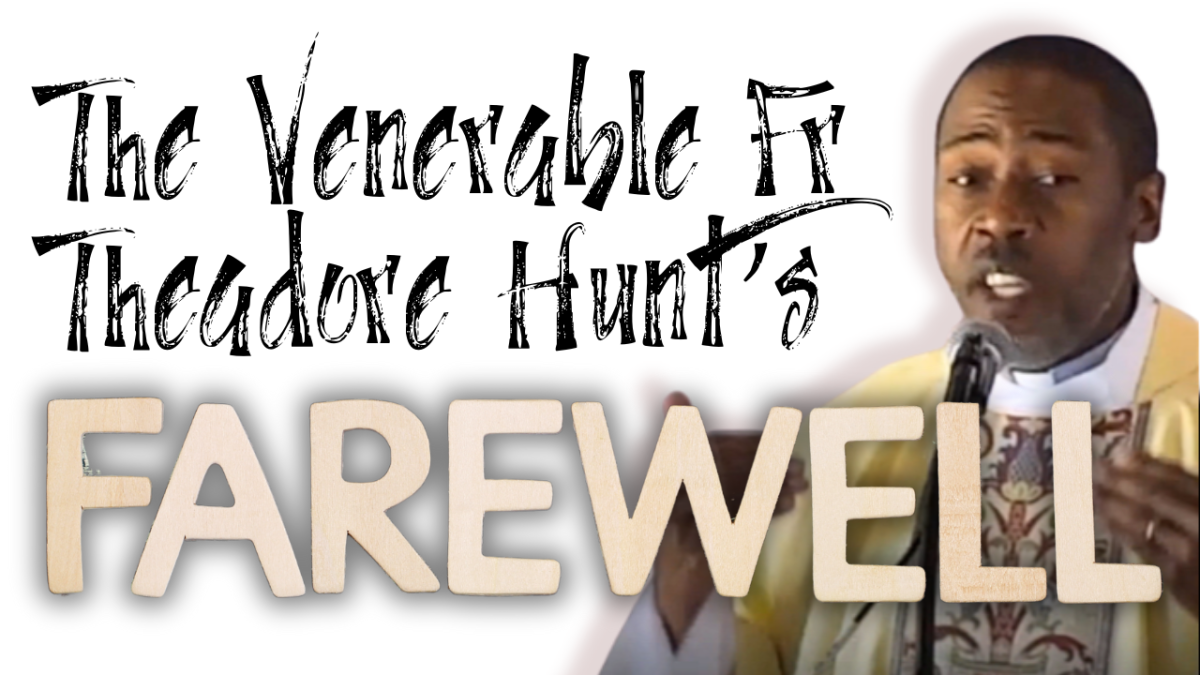
As I stand before you today, surrounded by familiar faces and a community that has become like family, I find it both a privilege and a bittersweet moment to bid farewell to Father Theodore Hunt and his family. Over the past eight years, Father Hunt has been an integral part of our lives at the Church of St. Stephen Downsview. His wisdom, humor, and dedication have touched us all deeply.
Honoring Father Theodore and His Family
Our journey today begins with reflections from our beloved Sunday School, led by the youthful voices who hold the future of our faith. They shared heartfelt messages of gratitude, underscoring the joy and lessons imbibed from Father Hunt. We are reminded that while paths may diverge, God's love remains our guide.
Embracing Our Community
Throughout the day, we heard from various community members who share Father Hunt's passion for fostering interpersonal relationships. Brother David from the Sierra Leonean community and Ms. Cheryl Prescod from the Black Creek Community Health Center offered words of thanks, highlighting Father Hunt's seamless integration into our diverse community, transforming mere acquaintances into familial bonds.
The Church Leadership's Tribute
Representatives from the wardens and other ministries shared their appreciation for Father Hunt. They spoke of his unwavering commitment to nurturing our parish, his ability to inspire through his sermons, and the personal touch he brought to every aspect of church life. Father Hunt didn't just minister to us; he walked with us, celebrating joys and offering solace in times of need.
A Musical Farewell
The choir and music ministry underscored the deep impact Father Hunt has had on us. His unique ability to lead without a glance at the hymn sheet and his incredible memory are matched only by his authentic and heartfelt participation in every service.
Personal Reflections
As this event unfolded, I stood as a witness to Father Hunt's influence, echoing the sentiments expressed throughout the day. Relationships built here are real and lasting, and as Father Hunt transitions to a new community at Christchurch, Brampton, his presence will be missed greatly.
A Final Blessing and Gratitude
In conclusion, Father Hunt blessed us with words of gratitude, reminding us that relationships formed here are genuine. As we say farewell, we do so knowing that his time with us has not only been a chapter in his life but also an indelible mark on ours. It is with heartfelt thanks and blessings that we let him go, praying for continued success and divine guidance as he embarks on this new journey.
Let us continue to love and serve one another as we have been taught, welcoming new members with open arms, and witnessing the transformative power of faith and community.
Good morning, dear readers. I am excited to connect with all of you once again as we gather to reflect upon a powerful message from John's Gospel, chapter 13, verses 34 to 35. These verses remind us of a new commandment from Jesus, urging us to love one another just as He has loved us. In doing so, the world will know we are His disciples.
The Context of Love
In our Gospel reading today, we find ourselves in the intimate setting of the upper room, where Jesus shares His final meal with His disciples before His betrayal. It is a somber time, filled with anticipation and uncertainty about the future. In the midst of this gathering, Jesus performs the humble act of washing His disciples' feet. This gesture serves as a profound example of the selfless love He calls us to embody.
Navigating Life's Transitions
We've all faced moments of transition in life—times when we move from the familiar to the unknown. Whether it's the birth of a child, the loss of a loved one, marriage, or changes in our careers, these periods can be challenging. Yet, in these moments, we seek things that anchor us—our identity, values, and beliefs. Jesus provides us with this anchor through His commandment to love one another, offering us stability amidst life's uncertainties.
The Love of Jesus
The love Jesus speaks of is no ordinary love. It's not merely affection, but a profound, selfless act of serving others with empathy and humility. His love is unconditional and seeks the ultimate good for all of us. It's a transformative love, encouraging repentance and faith. This divine love, rooted in self-giving, distinguishes followers of Christ.
Challenges in Loving Like Christ
Despite the simplicity of this commandment, history shows us how difficult it is to truly love others as Christ loves us. We often become self-focused, distracted by our own lives, and lose sight of the needs of those around us. Our challenge is to look beyond our cultural, social, and economic lenses and embrace others with Christ-like love.
The Importance of Community
In the early days of Christianity, the apostles' love for one another was a beacon of light in the darkness. Their selfless acts drew others to them naturally, without the need for grand gestures. By living in genuine love and service, we too can attract others to the faith by our example.
Our Call to Love
As I reflect on Jesus' impending departure, I see the urgency in His message to His disciples—a message that is equally relevant to us today. We are called to embody the love of Jesus, caring for one another not out of obligation but because it is the essence of God's love. This kind of love is transformative for both us and the world around us.
Conclusion: A Call to Action
Friends, I encourage you to look at those in your life as gifts from God. Cherish these relationships and strive to love and serve each person, upholding their highest good. Remember, even our enemies are gifts, just as Jesus shared the table with Judas. May we pray for the wisdom, will, and strength to follow Jesus' example, glorifying our Savior through our selfless love.
Closing Prayer
Let us pray together: Almighty God, our Heavenly Father, whose son taught us that every service done for others' sake is done for Him. Give us the wisdom, the will, and the strength to be living examples of this truth that in serving one another, we may glorify Him who is our Savior and our Lord. Amen.
Good morning, everyone. Today, I welcome you to Palm Sunday as we embark on the Holy Week. As we gather, I want to share some words from Luke’s Gospel, chapter 23, verse nine: “Herod questioned Jesus at length, but Jesus gave no answer.” This Palm Sunday marks a significant moment in Jesus’s journey, his final entry into Jerusalem, which was greeted with fanfare and anticipation.
The Contrasting Crowds
Many who followed Jesus believed this would be the moment he overthrew the Roman authorities to liberate God’s people. Others hoped for a miraculous sign proving his Messiahship. But what began with triumphant cries of “Hosanna” quickly turned into shouts of “Crucify him.” Jesus faced a sham trial, His innocence acknowledged by Pilate and Herod, yet succumbed to the crowd’s will. Even then, Jesus took the place of the guilty, exemplifying his sacrifice.
Zooming Out: Understanding the Bigger Picture
Let us take a moment to step back and comprehend the larger narrative at play. In doing so, we gain clarity on what it means to journey with Jesus in his suffering. The incarnation—God taking human form—was for our reconciliation. Jesus, in humble obedience, embraced suffering and death. Paul’s letter to the Philippians beautifully encapsulates this: Jesus was obedient to the point of death, even death on a cross.
The Courage to Endure
We often say, “I’ll do it, even if it kills me,” expressing determination. Yet, rarely do we expect true peril. For Jesus, this was literal. His determination demonstrates true courage—doing what’s right, even at a great cost. Through this, we learn that God’s boundless love pursued our salvation despite suffering.
Silent Witness: Endurance and Persecution
Jesus’s silence in the face of false accusations stands as a profound witness. He did not retaliate but let his life testify to God’s truth. This silence invites us to a deeper faith; it’s not about refraining from words but about trusting God’s justice and embracing his will, even amidst suffering.
The Call to Obedience
This obedience isn’t learned in moments of trial but cultivated throughout our Christian walk. Through Jesus’s teachings, such as in the Sermon on the Mount, we understand the blessing in persevering through persecution. Jesus’s journey from Palm Sunday to Easter reflects meekness, not weakness—a deference to God’s will.
Reflecting on Our Journey
As we reflect, I encourage each of us to examine how our lives mirror the obedience of Jesus. In daily choices, are we willing to take up the cross of obedience, even if it means personal sacrifice? Navigating this world, remaining true to Christ’s teachings is challenging, yet essential.
An Encouragement for Believers
I conclude with encouragement from the letter to the Hebrews, reminding us to consider the endurance of Jesus. In our struggles against sin, the discipline of the Lord teaches us. As children of God, carrying the palm crosses we receive today symbolizes our allegiance and journey with Jesus. Let us mindfully carry this symbol from now until the next season of Lent.

 The terrifying imagery of locusts devouring crops serves as a reminder of destruction and renewal. In Canada, despite challenges like wildfires, our land prospers. God restores and nourishes, promising a turning for the better. We often overlook that abundance is not our achievement. We might plant, weed, and harvest, but it is God who orchestrates the larger picture.