Posted on: February 22nd, 2026 by St. Stephens Downsview
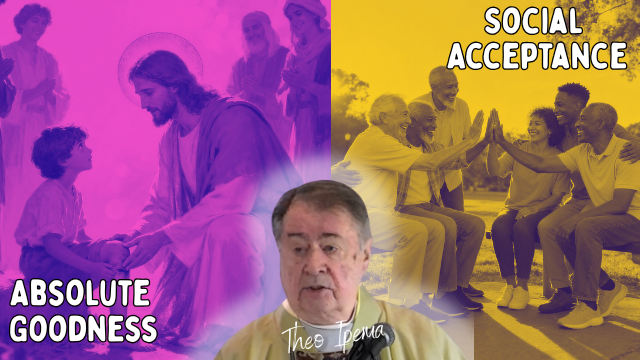
sermon Feb 22nd Do we model our lives after Christ’s example of absolute goodness, or do we settle for social acceptability? Jesus used parables featuring flawed characters to illuminate God’s truths.
Title: Reflections on Faith, Goodness, and Self-Examination
The hymn, “There is a Green Hill Far Away,” by Fannie Humphreys, was initially penned for children but rich with meaning for all of us.
The Simplicity and Beauty of Hymns
“There is a Green Hill Far Away” has its roots in a collection of hymns aimed at making the church catechism more understandable for children. The writer, Fannie Humphreys, intended to answer the profound question, “Why did Jesus die?” in a manner accessible to young minds. Although the theology is simple, its beauty lies in lines like “He died that we might be forgiven. He died to make us good.” This invites us to reflect: Do we truly want God to make us good?
The Pursuit of Goodness
It’s essential to examine what goodness means in the Christian context. While some suggest that Christianity is fundamentally about goodness, Jesus didn’t focus solely on good people in His teachings. Quite the opposite, He used parables featuring flawed characters to illuminate God’s truths. We need to ask ourselves, do we model our lives after Christ’s example of absolute goodness, or do we settle for social acceptability?
The Disturbance of Conventional Ideas
Christ’s teachings often turned the societal norms of right and wrong on their head. He wasn’t shy about presenting God in ways that shocked His listeners, forcing them to see beyond the surface. Christ’s parables remain relevant today as they challenge us to confront our notions of justice and righteousness.
Embracing Lent Through Self-Examination
The season of Lent is upon us, a time devoted to self-examination and repentance. We are reminded to approach this period with a healthy awareness of our sins. Sin may seem like an outdated concept, replaced by modern ideas of personal freedom. However, ignoring the notion of sin doesn’t free us from its effects. Instead, recognizing our sinfulness is the first step toward genuine freedom.
Freedom in the Gospel
True freedom comes from an honest acknowledgment of our condition and embracing the gospel’s offer of freedom from sin. Jesus’ parables teach us that happiness lies not in self-righteousness but in humility and confession of our sins. This Lenten season, let us seek to recognize sin as a reality instead of pretending it doesn’t matter.
A Call for Honest Reflection and Prayer
I urge all of us to use this period of self-examination and penitence as a means to align ourselves with the goodness we find in Jesus’ life and teachings. We must constantly pray for the grace to live lives that echo the principles of the Kingdom of God, remembering that any goodness we find is a divine gift.
In closing, let our prayers and actions reflect the earnest desire for our lives to become living parables, showcasing the principles of God’s Kingdom. Thanks be to God.
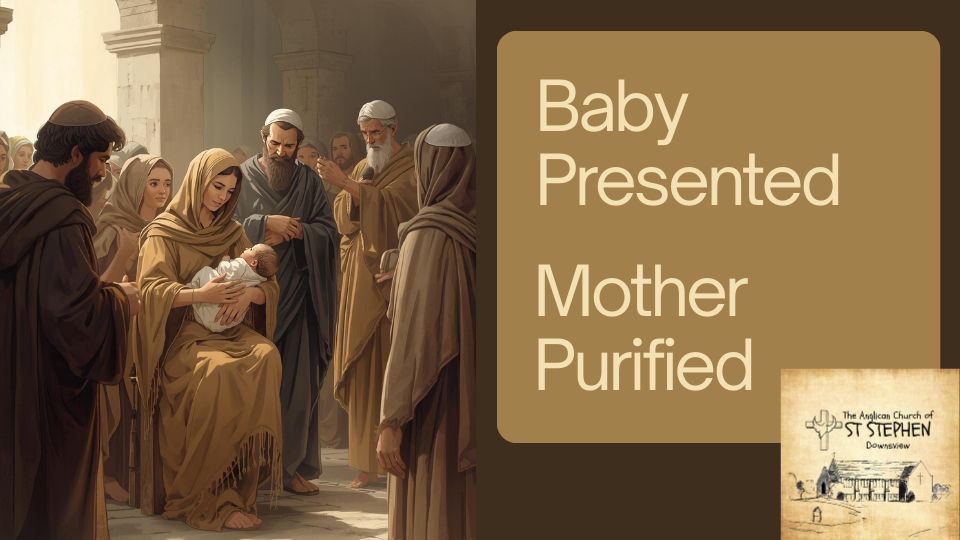
When I reflect on the feast we are about to celebrate, I am reminded that it is not just a single event but one with a multitude of traditions and meanings. This celebration falls on February 2nd, the 40th day after Christmas, and it is known by several names, including The Presentation of Christ in the Temple, The Purification of Saint Mary the Virgin, and Candlemass. What intrigues me most is how each of these names ties into a different aspect of the gospel celebrated on this day.
Purification in Biblical Tradition
According to the law of Moses, a time of purification was required, and this tradition is beautifully captured in the Book of Exodus. When the time came for the purification, they brought Jesus to Jerusalem to present him to the Lord as was written. There were many rituals and sacrifices involved—such as the offering of a pair of turtle doves or two young pigeons—symbolizing various aspects of dedication and purification.
In our scriptures, it is important to remember that purification was not just a ritual for Mary but also a necessary step according to the law for re-entering society and engaging in public worship. These ceremonies were carried out meticulously, ensuring that both mother and child adhered to the traditions.
The Words of Simeon: A Prophetic Revelation
As I shift focus from the traditions to the prophetic, I am drawn to the words of Simeon, the devout man who knew he would not see death until he had seen the Messiah. Led by the Spirit, he took baby Jesus into his arms and declared, “For my eyes have seen thy salvation,” illustrating that Jesus would be a light to the Gentiles and glory for Israel. Simeon’s prophecy is powerful because it foreshadows a new covenant inclusive of all nations, Gentiles as well as Jews.
These prophetic insights were not just words of comfort but painted a foretelling picture of the cross and the eventual pain Mary would endure. In his later words to Mary, Simeon spoke of the piercing of her heart—a reality that would come to pass on Good Friday.
A Message for Today: Presentation and Purification
Reflecting on these events, I am reminded of Saint Paul’s letter to the Ephesians, emphasizing that Christ loved the church and worked to purify her to be presented in splendor. The notion of being cleansed and made holy has resonated deeply with me, as it embodies the beautiful idea of a church being both the bride of Christ and forever without blemish.
Even in modern times, I find it fascinating that these ideas persist. However, the concept of purification has become less emphasized, as reflected in our liturgical practices. Our new prayers speak less of purification but encourage recognition of Jesus as the light of the world. For me personally, maintaining some essence of purification in our rituals could offer deeper insights into our spiritual journeys.
Conclusion: Embracing the Full Narrative
As I contemplate on what all this means for us today, I realize there’s much to learn from both the presentation and the purification rituals. They remind us of the rich tapestries of faith, how each tradition connects us to the divine narrative, and how each prophecy speaks to our hearts. This feast, with its many names, prompts us to consider not only the historical events but also their relevance to our present spiritual walk.
Let us be inspired to live out our faith, recognizing Christ as the light and salvation while contemplating the deeper meanings behind our traditions.