
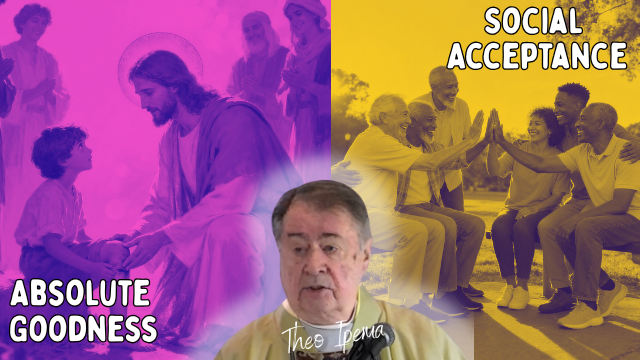
Do we model our lives after Christ’s example of absolute goodness, or do we settle for social acceptability? Jesus used parables featuring flawed characters to illuminate God’s truths.
Subscribe to our sermon video clips on YouTube
Title: Reflections on Faith, Goodness, and Self-Examination
The hymn, “There is a Green Hill Far Away,” by Fannie Humphreys, was initially penned for children but rich with meaning for all of us.
The Simplicity and Beauty of Hymns
“There is a Green Hill Far Away” has its roots in a collection of hymns aimed at making the church catechism more understandable for children. The writer, Fannie Humphreys, intended to answer the profound question, “Why did Jesus die?” in a manner accessible to young minds. Although the theology is simple, its beauty lies in lines like “He died that we might be forgiven. He died to make us good.” This invites us to reflect: Do we truly want God to make us good?
The Pursuit of Goodness
It’s essential to examine what goodness means in the Christian context. While some suggest that Christianity is fundamentally about goodness, Jesus didn’t focus solely on good people in His teachings. Quite the opposite, He used parables featuring flawed characters to illuminate God’s truths. We need to ask ourselves, do we model our lives after Christ’s example of absolute goodness, or do we settle for social acceptability?
The Disturbance of Conventional Ideas
Christ’s teachings often turned the societal norms of right and wrong on their head. He wasn’t shy about presenting God in ways that shocked His listeners, forcing them to see beyond the surface. Christ’s parables remain relevant today as they challenge us to confront our notions of justice and righteousness.
Embracing Lent Through Self-Examination
The season of Lent is upon us, a time devoted to self-examination and repentance. We are reminded to approach this period with a healthy awareness of our sins. Sin may seem like an outdated concept, replaced by modern ideas of personal freedom. However, ignoring the notion of sin doesn’t free us from its effects. Instead, recognizing our sinfulness is the first step toward genuine freedom.
Freedom in the Gospel
True freedom comes from an honest acknowledgment of our condition and embracing the gospel’s offer of freedom from sin. Jesus’ parables teach us that happiness lies not in self-righteousness but in humility and confession of our sins. This Lenten season, let us seek to recognize sin as a reality instead of pretending it doesn’t matter.
A Call for Honest Reflection and Prayer
I urge all of us to use this period of self-examination and penitence as a means to align ourselves with the goodness we find in Jesus’ life and teachings. We must constantly pray for the grace to live lives that echo the principles of the Kingdom of God, remembering that any goodness we find is a divine gift.
In closing, let our prayers and actions reflect the earnest desire for our lives to become living parables, showcasing the principles of God’s Kingdom. Thanks be to God.